The Art of Preservation: Timing Your Driveway Sealing in Punta Gorda
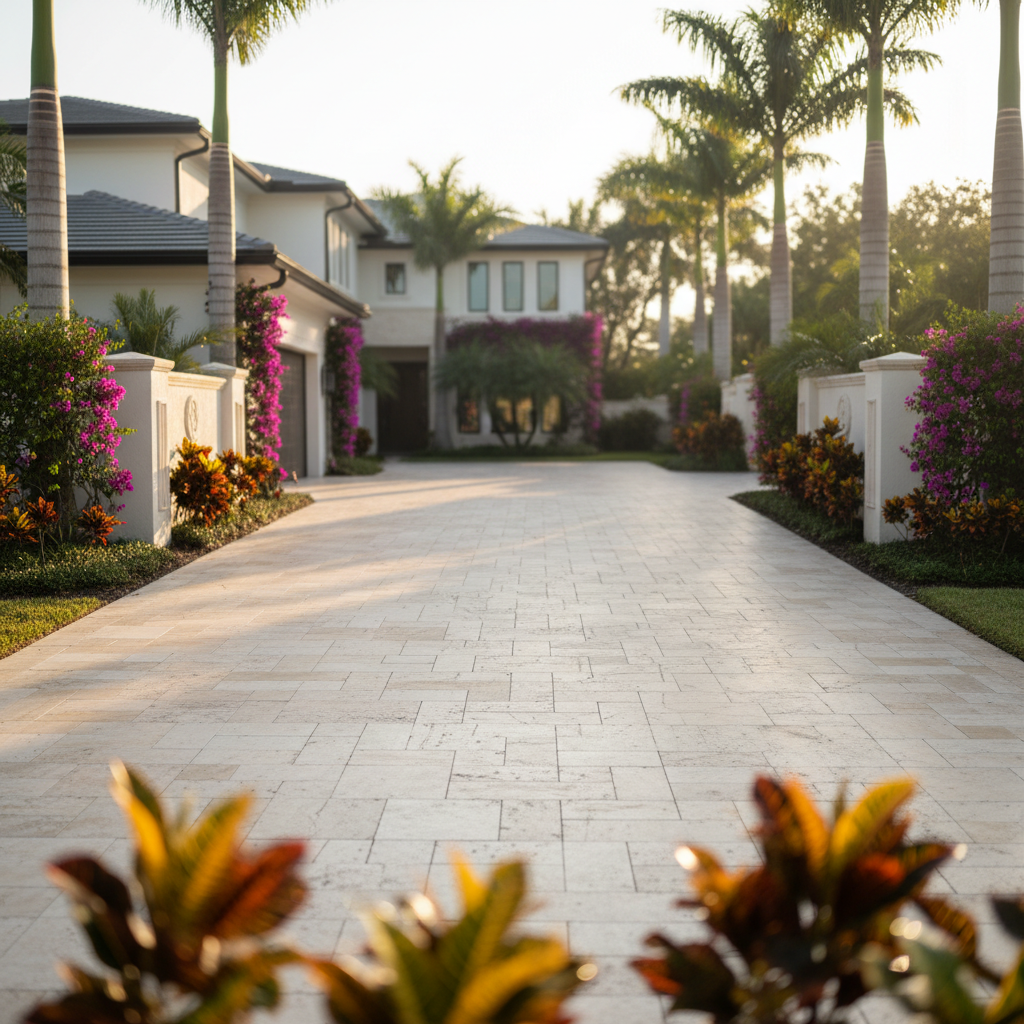
Your driveway is more than an entry point; it is the opening statement of your home’s character. In Punta Gorda, where the architecture is as much a part of the landscape as the royal palms, maintaining this statement is a matter of diligence. The question of how often to apply a protective seal to your paver driveway is not one of simple calendaring, but of strategic upkeep—a practice that safeguards your investment and preserves its aesthetic integrity against the specific challenges of the Southwest Florida environment.
A professionally sealed driveway possesses a refined, subtle lustre. It telegraphs meticulous care and an appreciation for lasting quality. The alternative—dull, faded pavers marred by weeds and stains—detracts from the inherent beauty of a property. For the discerning homeowner, the choice is clear, but the correct interval for action is nuanced.
The Cadence of Protection
The prevailing guidance for sealing a paver driveway in our region is generally every two to three years. However, this is merely a baseline. A host of variables can influence this timeline, demanding a more tailored approach. The specific material of your pavers, the volume of traffic it endures, and its direct exposure to the elements all contribute to the degradation of the sealant.
- Paver Material: Concrete, travertine, and classic brick pavers each possess distinct levels of porosity. More porous materials may require more frequent attention to prevent moisture intrusion and staining.
- Traffic Volume: A driveway that sees daily use from multiple vehicles will naturally experience more wear on the sealant’s surface layer than one serving a single vehicle or a seasonal residence.
- Environmental Exposure: The most significant variable in Punta Gorda is the environment. A driveway with southern exposure, bearing the full force of the sun for most of the day, will see its sealant’s UV-protective qualities exhausted far sooner than one shaded by mature landscaping or the structure of the home itself.
Observing the visual cues is paramount. When the rich, saturated color of your pavers begins to fade and appear washed out, the original sealant is losing its efficacy. If you notice sand disappearing from the paver joints, or if weeds and grass are beginning to emerge, the structural bond of the joint sand has been compromised. The appearance of stains from oils, fluids, or organic matter that are difficult to remove is a definitive sign that the protective barrier has been breached. When these signs appear, it is time to act, regardless of whether two years have passed. You can see clear examples of restoration in our before/after gallery.
Why This Matters in Punta Gorda
Punta Gorda’s unique location on the shores of Charlotte Harbor creates a micro-environment that is particularly demanding on exterior surfaces. This is not Fort Worth; this is Southwest Florida, and the rules of preservation are different here.
The air itself carries a higher concentration of salt and moisture, born from the vast expanse of the Gulf and the intricate network of canals. This persistent, humid, salt-laden air accelerates the breakdown of inferior sealants and promotes the growth of mold, mildew, and algae, especially during the long, wet summer season. Your pavers are in a constant battle with organic growth seeking to establish a foothold.
Furthermore, the subtropical sun in Charlotte County is relentless. The ultraviolet radiation is intense, bleaching pigments from pavers and degrading the polymers that form the sealant’s protective shield. A driveway that lacks a high-quality aliphatic sealant will invariably fade to a pale imitation of its former self, looking chalky and aged prematurely. For homes in prestigious communities like Punta Gorda Isles or Burnt Store Marina, where aesthetic harmony and property values are intrinsically linked, such degradation is simply unacceptable.
Finally, the torrential rains of our summer season can wreak havoc on unsealed or poorly sealed paver joints, washing away jointing sand. This process of “sand-out” is the primary cause of paver shifting, sinking, and an uneven, unstable surface. Proper sealing locks the sand in place, creating a durable, unified surface that withstands the deluge.
The Professional Distinction
One may be tempted by the apparent simplicity of a DIY approach. However, the difference in outcome between an amateur application and professional execution is stark. The process is one of meticulous preparation and precision.
Our methodology begins with a comprehensive cleaning and chemical treatment to eradicate all organic growth, followed by a detailed preparation of the surface to address any existing stains. The critical step of re-sanding the joints is performed with meticulous accuracy to ensure stability.
Only then do we apply a commercial-grade, two-part aliphatic polyurethane sealant—a product far superior to any solution available at a retail big-box store. This sealant is engineered specifically for the SWFL climate, providing robust UV protection, stain resistance, and a lasting bond that solidifies the paver joints. This level of quality and technique is why we can confidently offer our services across the region, from Bonita Springs paver sealing to Naples.
For a surface as integral as your driveway, precision is not a luxury; it is a necessity. To understand the precise needs of your property, we invite you to contact us for a precise estimate.
Preserving the elegance of your Punta Gorda home begins at the end of the asphalt. A disciplined, expert approach to driveway sealing is not an expense, but an essential component of stewarding your property’s enduring value and appeal.
Frequently Asked