The Essential Rhythm of Paver Sealing in Southwest Florida
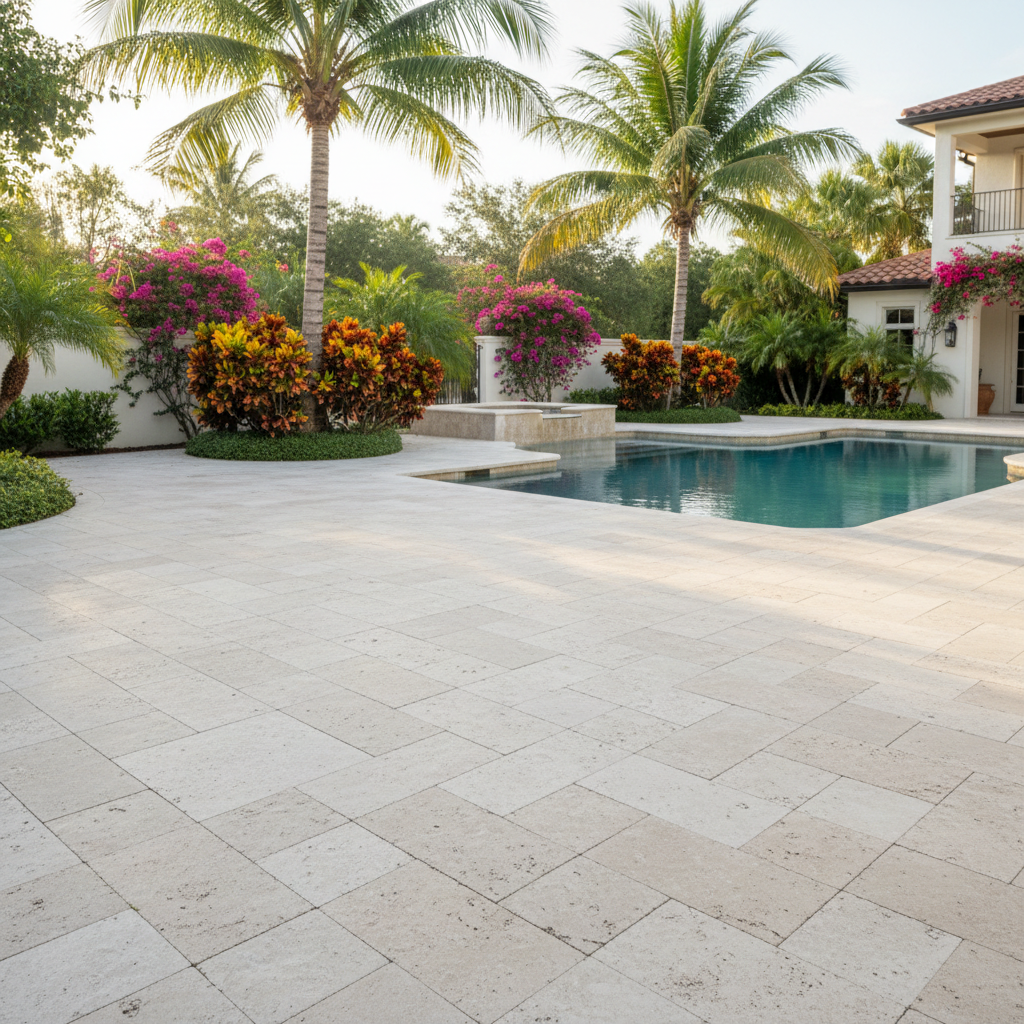
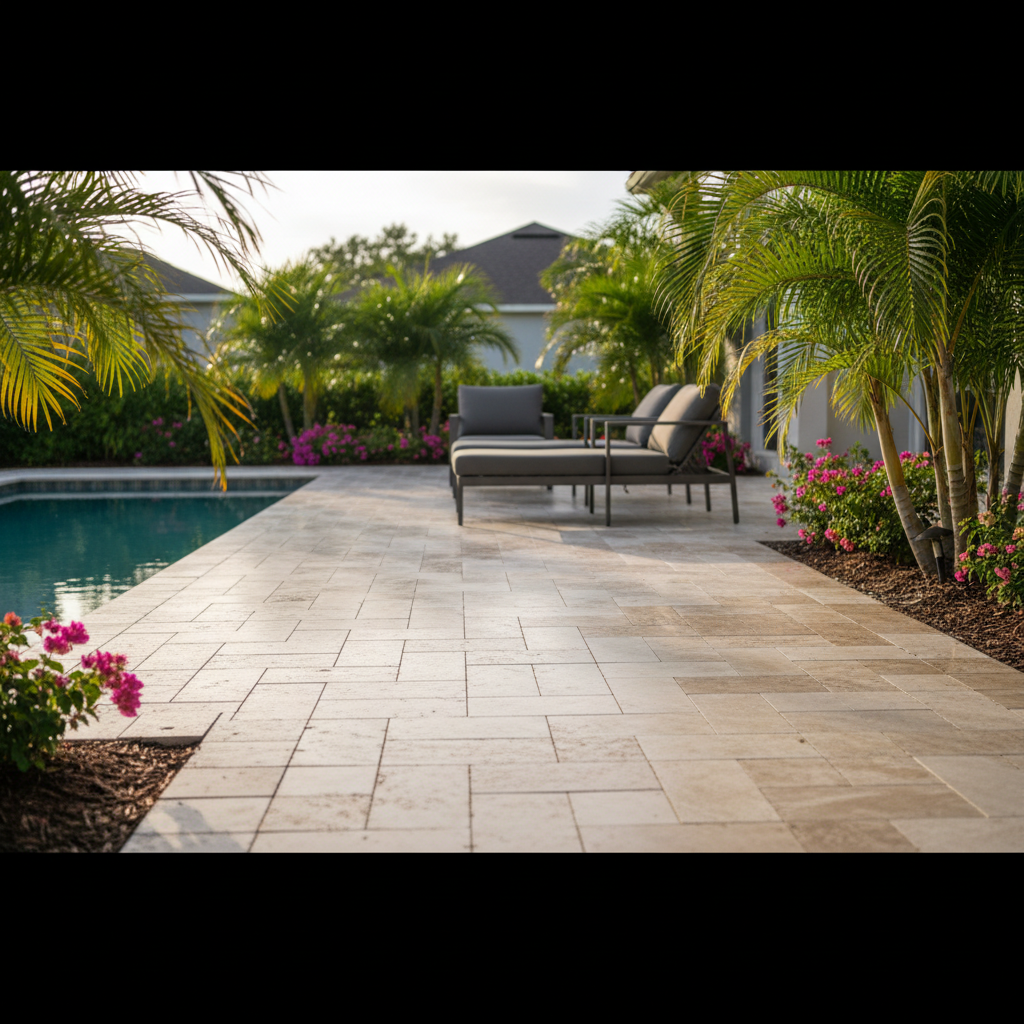
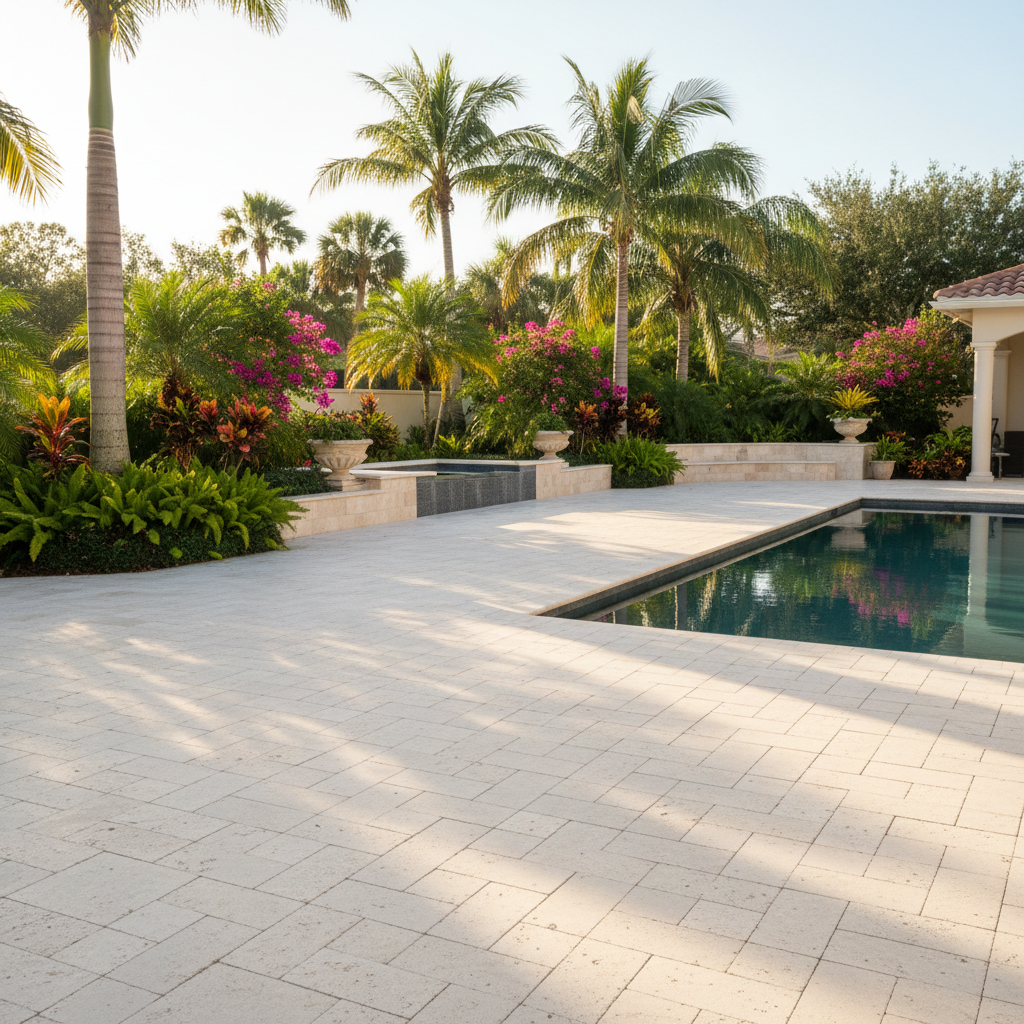
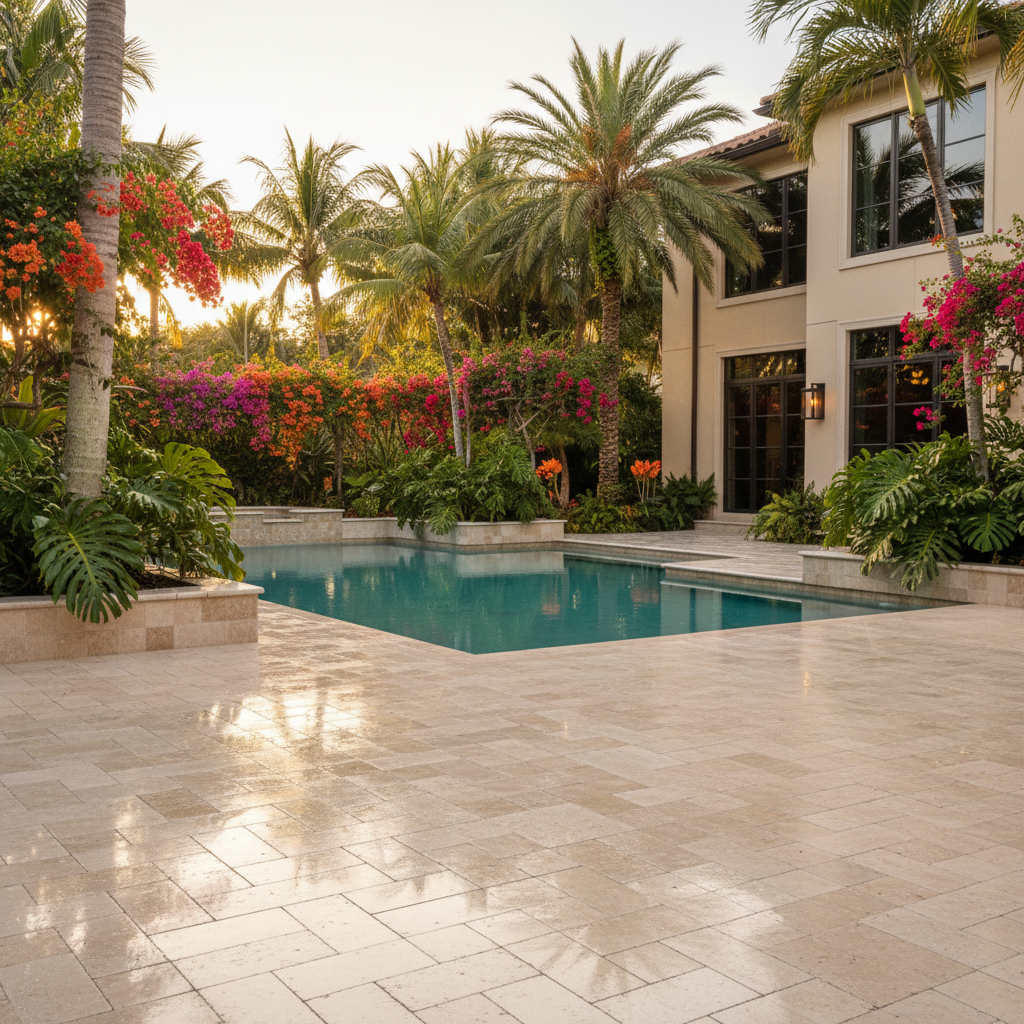
The travertine courtyard, the intricate brick-paver driveway, the expansive limestone pool deck—these are the surfaces that frame a luxury home in Naples. They are canvases of architectural intention. Yet, they are not immutable. The question is not if they require maintenance, but when and how often. For paver sealing, the answer is more nuanced than a simple calendar reminder.
While some providers suggest a generic “every 3-5 years,” this is a guideline, not a rule. The optimal frequency for sealing your pavers is a bespoke calculation, determined by three primary factors: environmental exposure, material porosity, and the level of aesthetic perfection you demand for your property.
A sun-drenched driveway facing south will require a more frequent sealing schedule than a shaded lanai. A porous, light-colored travertine will show wear and organic growth faster than dense, dark-hued pavers. The key is observing the signs of degradation, not adhering to an arbitrary timeline.
Why This Matters in Naples
Nowhere are these factors more amplified than in Naples. Our immediate environment—a captivating blend of lush tropical beauty and coastal proximity—is uniquely aggressive to exterior surfaces. The very elements that draw us to this paradise conspire to diminish our homes’ pristine appearance.
-
Intense UV Radiation: The unrelenting Southwest Florida sun is the primary culprit behind fading. It relentlessly bleaches the color from pavers, turning vibrant earth tones into washed-out, muted shades. A high-quality sealant acts as a crucial UV inhibitor, preserving the rich, factory-fresh color of your hardscapes. Without it, the aesthetic depreciation is rapid and unavoidable.
-
High Humidity & Organic Growth: Our year-round humidity creates a fertile breeding ground for mold, mildew, and algae. These organisms thrive in the porous surfaces of unsealed or improperly sealed pavers, leading to slippery, green-black stains that are not only unsightly but also present a safety hazard on pool decks and walkways.
-
Salt Air Corrosion: For properties along the Gulf or Intracoastal Waterway, the very air is corrosive. Salt-laden breezes settle on surfaces and, when combined with moisture, accelerate the erosion of the paver material itself. Sealing creates an essential barrier against this persistent, microscopic assault.
-
Torrential Rains & Erosion: The seasonal downpours we experience are powerful enough to wash away the jointing sand between pavers. This destabilizes the entire system, leading to shifting, uneven surfaces and weed growth. A properly applied sealant not only protects the paver but also hardens the joint sand, locking it in place and maintaining structural integrity. Protecting your investment in a Naples paver sealing project is paramount to its longevity.
Reading the Signs: When Your Pavers Need Resealing
Discerning homeowners learn to read the visual cues that indicate a sealant is nearing the end of its functional life. Rather than waiting for a specific date, look for these tell-tale signs:
-
Color Fading: The most obvious sign. When the colors of your pavers appear dull, muted, or "chalky" compared to their original vibrancy, the UV protection has worn off.
-
Water Absorption: Perform a simple water test. Splash a small amount of water onto the surface. If it beads up like water on a freshly waxed car, the sealant is still active. If the water darkens the paver and soaks in immediately, the surface is porous and unprotected.
-
Organic Growth: The appearance of green or black growth in the joints or on the surface is a clear indicator that moisture is penetrating and lingering, creating a habitat for mold and algae.
-
Stains & Efflorescence: If oil, rust, or other household stains are becoming difficult to remove, it means they are penetrating the paver rather than sitting on a sealed surface. Efflorescence, a white, chalky residue, also signals moisture issues that sealing can mitigate.
For many Naples homeowners, the driveway is the first and most critical area of concern. Learn more about our specialized approach to Naples driveway sealing to understand how we combat these issues head-on.
The Paver Protect Pro Recommendation: A Strategic Approach
Our recommendation is one of strategic maintenance, not just rote repetition. For most high-exposure residential applications in Naples, a 24-36 month cycle is a realistic starting point. However, we treat every property as unique.
Upon our initial consultation, we assess not just the current state of your pavers but also the specific environmental pressures they face. We consider the material, the age, the prior sealing history (if any), and your personal standards. This allows us to establish a cadence that ensures your hardscapes remain in a state of perpetual elegance, rather than undergoing a cycle of degradation and costly restoration.
This proactive approach is an investment in sustained curb appeal and asset protection. It prevents the deep-seated stains, organic growth, and material erosion that require far more intensive—and expensive—interventions down the line. It ensures the first impression of your home is always one of impeccable quality and care.
Ready to learn more? Explore our full range of luxury paver care services.
Frequently Asked