The Inevitable Question of Timing
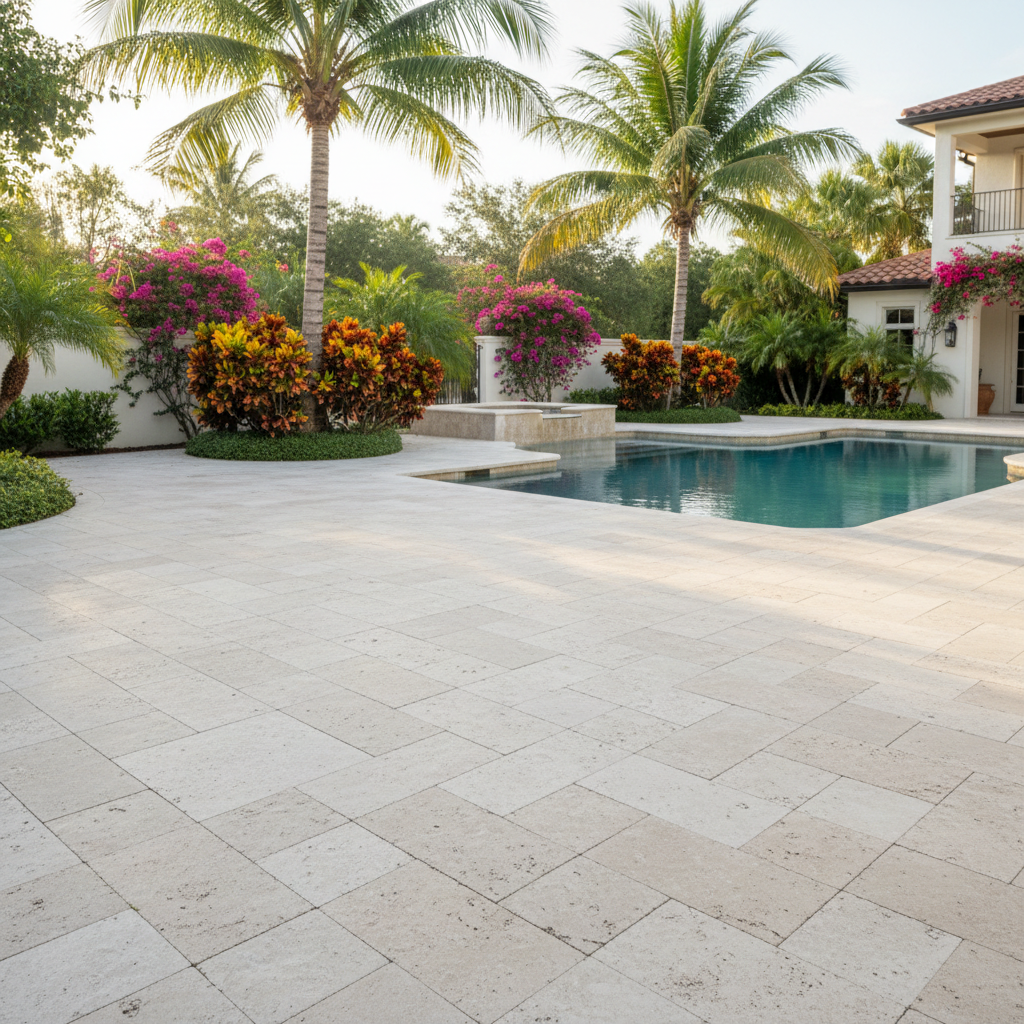
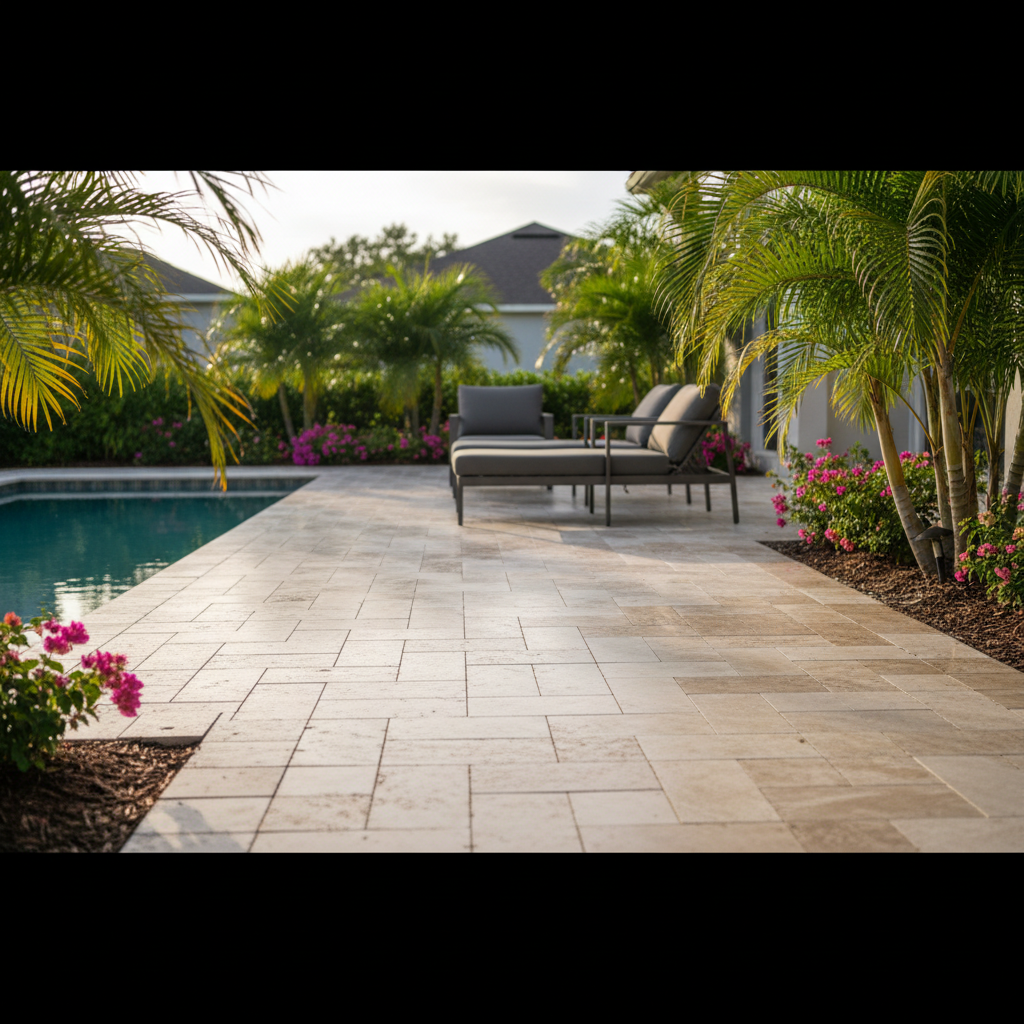
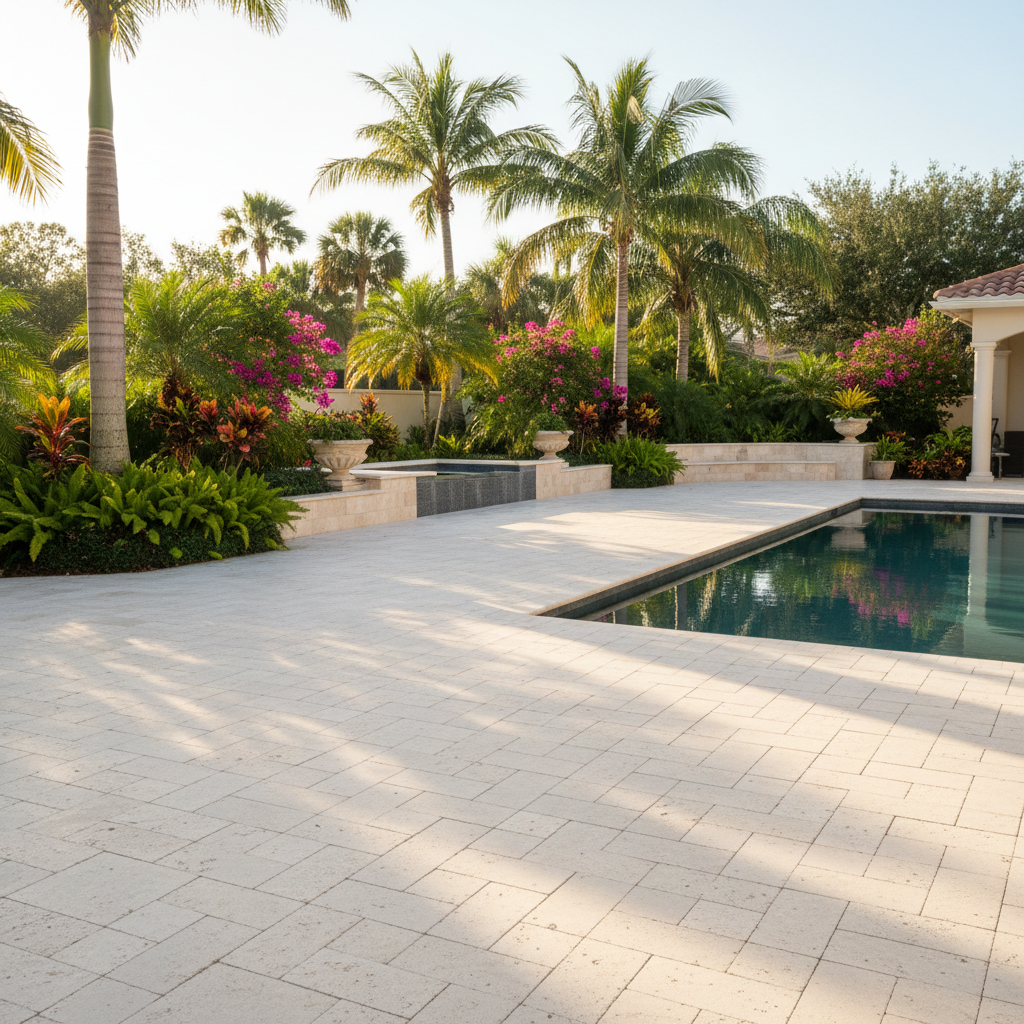
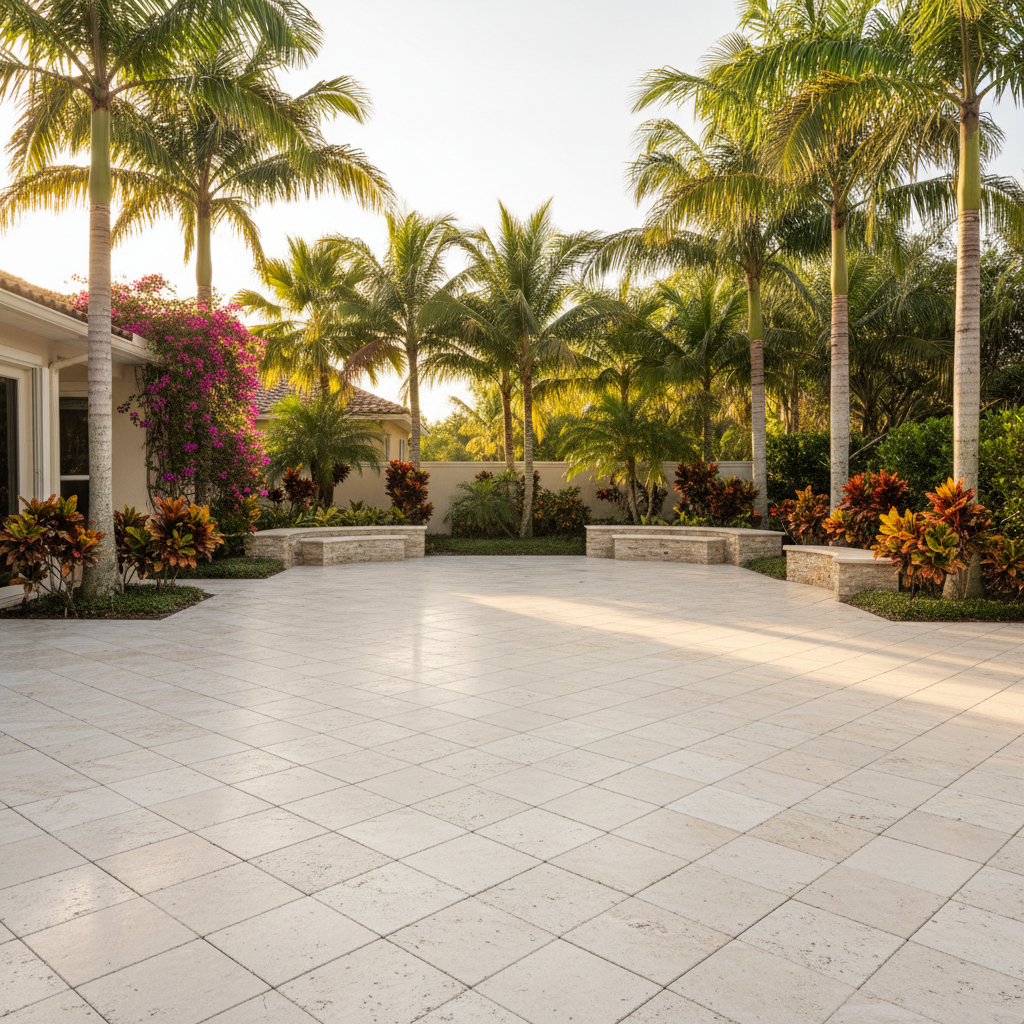
For the discerning Lehigh Acres homeowner, the exterior of the property is not merely a collection of surfaces; it is the opening statement. The long, elegant driveway, the serene pool deck, the welcoming walkway—these are integral components of an estate’s character. When pristine, they convey precision and care. When faded, stained, or unsettled, they detract from the home’s intrinsic value. The question, then, is not if you should restore your pavers, but when.
A precise, one-size-fits-all answer is an illusion. The ideal frequency for paver restoration is a bespoke calculation, influenced by a confluence of environmental pressures, material choices, and usage patterns. Generally, a comprehensive restoration is a strategic investment every 3 to 5 years. However, this is merely a baseline—a starting point from which to assess the unique narrative of your property.
Defining Paver Restoration
First, a point of clarity. Paver restoration is a far more comprehensive and transformative process than a simple cleaning. While cleaning removes surface-level dirt and grime, restoration is a meticulous, multi-stage renewal designed to return pavers to their original splendor and fortify them for the future.
The process involves three core pillars:
- Deep Cleaning & Surface Preparation: This goes beyond pressure washing. It involves specialized techniques to lift deep-set stains from oil, tannins, and rust, and to eradicate organic growth like mold and algae from the surface and joints.
- Joint Sanding: The sand in paver joints is not decorative. It is a critical structural element that locks the pavers together, preventing shifting and inhibiting weed growth. Over time, rain and cleaning erode this sand. Restoration replenishes it, typically with high-grade polymeric sand that hardens to create a durable, resilient bond.
- Protective Sealing: The final, crucial step is the application of a premium-grade sealant. This is not merely a topcoat; it is a penetrating shield that enhances color, provides UV resistance to prevent fading, and creates a non-porous barrier against stains and water intrusion.
Key Factors Influencing Your Restoration Schedule
To determine the right cadence for your Lehigh Acres property, one must consider several critical variables.
Material Composition
Travertine, with its natural porosity and lighter tones, often requires a more attentive schedule to prevent staining and maintain its cool surface. Concrete pavers, while robust, are susceptible to color fade from relentless UV exposure and require sealing to maintain their vibrancy.
Functional Demands
A driveway, bearing the weight of vehicles and vulnerable to fluid leaks, is under constant duress. It may demand attention closer to the 3-year mark. A secluded garden path or a covered lanai patio, shielded from the harshest elements, may comfortably extend towards the 5-year end of the spectrum. Pool decks present their own challenges, with constant exposure to chlorinated or salt water, which can accelerate sealant degradation.
Previous Maintenance
The quality of any prior sealing has a profound impact. A professionally applied, high-solids sealant will offer a longer window of protection than a lower-grade product applied without proper surface preparation.
Why This Matters in Lehigh Acres
The unique environmental conditions of Lehigh Acres present a specific set of challenges that accelerate the degradation of hardscape surfaces. Unlike its coastal neighbors, this inland community experiences a particular intensity of climate that makes proactive paver stewardship essential.
The sun in Lehigh Acres is unrelenting. Away from the moderating sea breeze, UV radiation beats down with concentrated force, bleaching the color from pavers and breaking down sealants at an accelerated rate. This intense solar exposure is the primary culprit behind faded, tired-looking driveways and patios.
Furthermore, many properties in the area rely on well water for irrigation—water that often has a high iron content. When sprinkler systems cast this water across paver surfaces, it leaves behind stubborn, rust-colored stains that cannot be removed with conventional cleaning methods. These require a professional paver restoration Lehigh Acres FL service to correct.
Finally, the region’s notorious humidity creates a perfect breeding ground for mold, mildew, and algae, especially within the damp, shaded confines of paver joints. This not only creates a slippery, unsafe surface but also projects an image of neglect that is at odds with a luxury property’s aesthetic.
Visible Cues: When Your Pavers Are Asking for Help
Your pavers will provide clear signals when restoration is imminent.
- Significant Color Fade: The once-rich earth tones have become muted and washed-out.
- Weeds, Moss, or Algae in Joints: The joint sand has eroded, allowing organic matter to take root.
- Persistent Stains: Oil spots, rust marks, or discoloration from leaves and fertilizer resist basic cleaning.
- Loose or Uneven Pavers: The surface feels unstable underfoot, indicating the structural sand has been compromised.
- Efflorescence: A white, chalky powder appears on the surface as salts leach from within the paver.
Observing one or more of these signs is a clear directive that the time for a full restoration has arrived. Acting decisively not only restores the beauty of your hardscape but prevents minor issues from escalating into more complex, costly problems.
Protecting the integrity of your home’s exterior is a continuous commitment. A regularly scheduled, professional paver restoration is the most effective way to honor that commitment, ensuring your Lehigh Acres property always presents its most compelling and polished self. When you are ready to renew your home’s first impression, we invite you to get a free AI photo estimate in just 60 seconds.
Frequently Asked