The Paver Sealing Cadence: A Homeowner's Guide
The allure of interlocking pavers lies in their blend of durability and design. From winding driveways to serene pool decks, they form the foundation of your home’s exterior aesthetic. Yet, the very elements that make Cape Coral a desirable place to live—unrelenting sunshine, seasonal rains, and humidity—are the primary adversaries of your hardscape's integrity and appearance.
A common inquiry we receive centers on the ideal frequency for paver sealing. While a generalized answer might suggest a multi-year interval, the reality for Southwest Florida properties is more nuanced. The lifespan of a professional-grade sealant is not measured in time alone, but in its resilience against specific environmental stressors. For Cape Coral homeowners, this means paying closer attention to the visual and structural cues your pavers provide.
Why This Matters in Cape Coral
Cape Coral’s geography and climate present a unique set of challenges. With its extensive network of saltwater canals and proximity to the Gulf, the air carries a higher salt content. This salt air, combined with intense, year-round UV radiation, accelerates the degradation of paver color and the breakdown of inferior sealants. The pigments within the pavers begin to fade, leaving a washed-out, dated appearance.
Furthermore, the subtropical climate, with its distinct wet and dry seasons, creates a perfect breeding ground for organic growth. During the humid summer months, mold, algae, and mildew can flourish on porous, unsealed, or inadequately sealed surfaces. This not only creates a slippery, hazardous surface on pool decks and walkways but also contributes to a stained, neglected look. The street view of many homes along the canals, from the Yacht Club area to the newer developments in the northwest, tells a tale of hardscapes battling these exact conditions. A proactive paver sealing and restoration strategy is not merely cosmetic; it is a critical maintenance task to preserve your property’s value and safety.
Reading the Signs: When to Reseal
Rather than adhering to a rigid two or three-year schedule, a discerning eye is your most effective tool. Look for these indicators:
- Faded Color: Your pavers appear dull and lifeless compared to their original vibrancy. The rich reds, deep charcoals, or earthy tones have lost their depth. This is a primary sign that UV rays have broken down the existing sealant and are now bleaching the paver itself.
- Water Absorption: Perform a simple splash test. When you spray water on the surface, does it bead up and roll off, or does it darken the paver and soak in immediately? Absorption indicates the protective barrier has worn away, leaving the porous concrete susceptible to staining and moisture intrusion.
- Organic Growth: The presence of green or black growth in the joints or on the surface of your pavers is a definitive sign that the sealant is no longer effective at inhibiting moisture. This is especially critical on pool decks and shaded patios.
- Staining and Efflorescence: If oil drips, rust spots, or other stains penetrate the surface and become difficult to remove, the seal has been compromised. You may also notice efflorescence—a white, chalky residue—which occurs as water permeates the paver and draws out natural salts and minerals.
For most high-exposure areas in Cape Coral, such as a southern-facing driveway or an unsheltered pool deck, a professional resealing is typically required every 24 to 36 months. However, a shaded, less-trafficked walkway might maintain its integrity for longer. An annual professional assessment can provide a precise recommendation, preventing both premature application and costly neglect.
The Paver Protect Pro Difference: A Commitment to Excellence
The market is saturated with options, but a premium outcome demands a superior process and chemistry. We exclusively use advanced, breathable sealants formulated for the demanding Southwest Florida environment. Unlike thick, acrylic-based coatings that can trap moisture and turn hazy, our products penetrate the paver to enhance color and provide robust protection from within.
Our meticulous process ensures a finish that is not just beautiful, but lasting. It begins with a deep paver cleaning and surface preparation to eliminate all organic growth, efflorescence, and ground-in contaminants. This foundational step is crucial for proper sealant adhesion and a flawless result. We then re-sand the joints to stabilize the entire paver system before applying the sealant to achieve that signature refined, satin finish.
Protecting your Cape Coral home’s most prominent features is a statement of pride. It reflects a commitment to quality and an appreciation for enduring beauty. When it comes time to preserve your hardscapes, the correct approach makes all the difference.
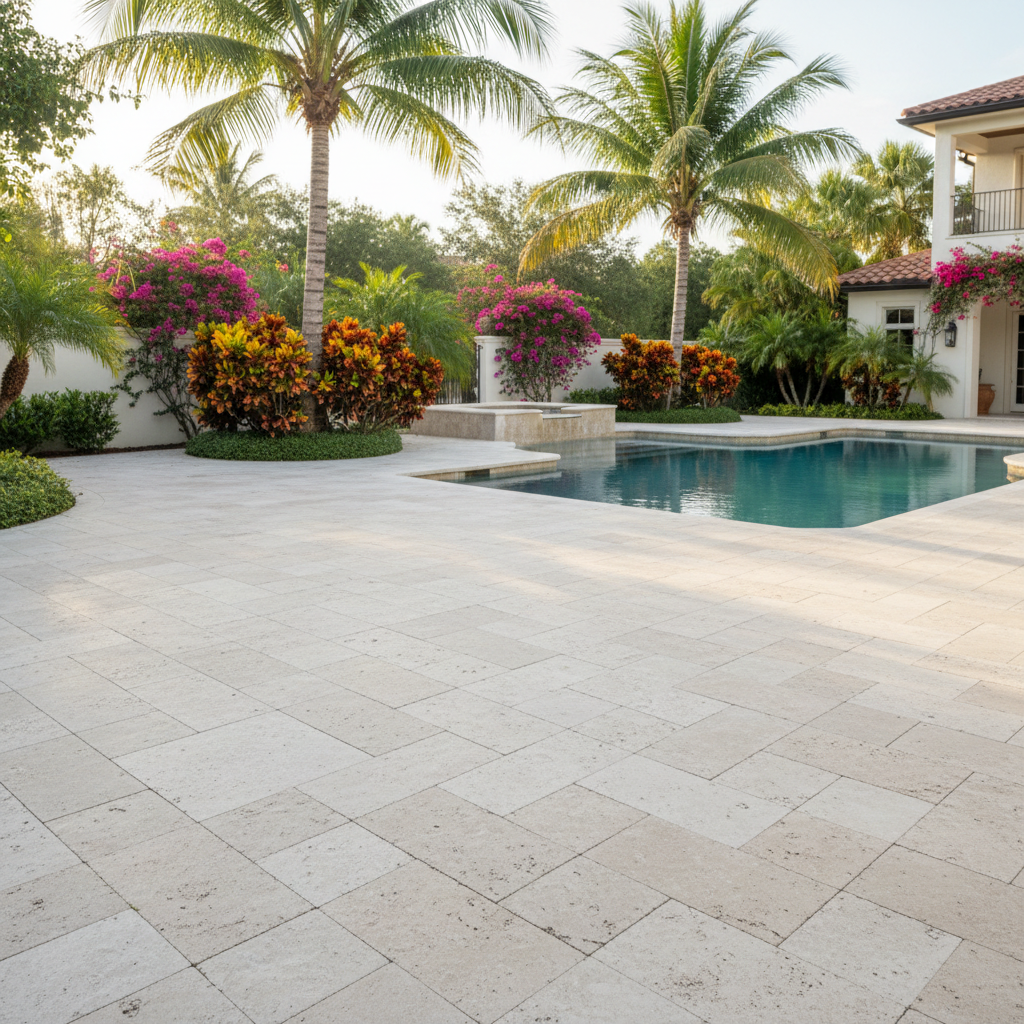
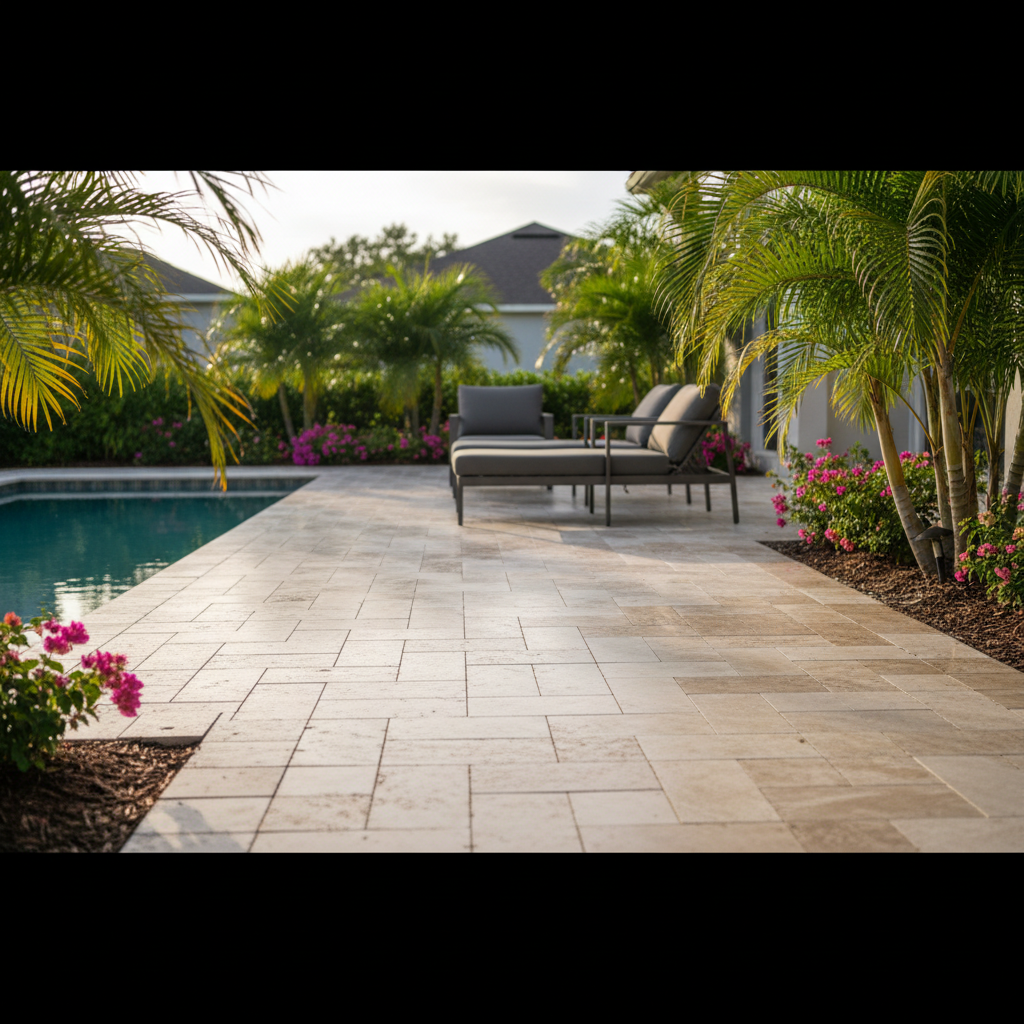
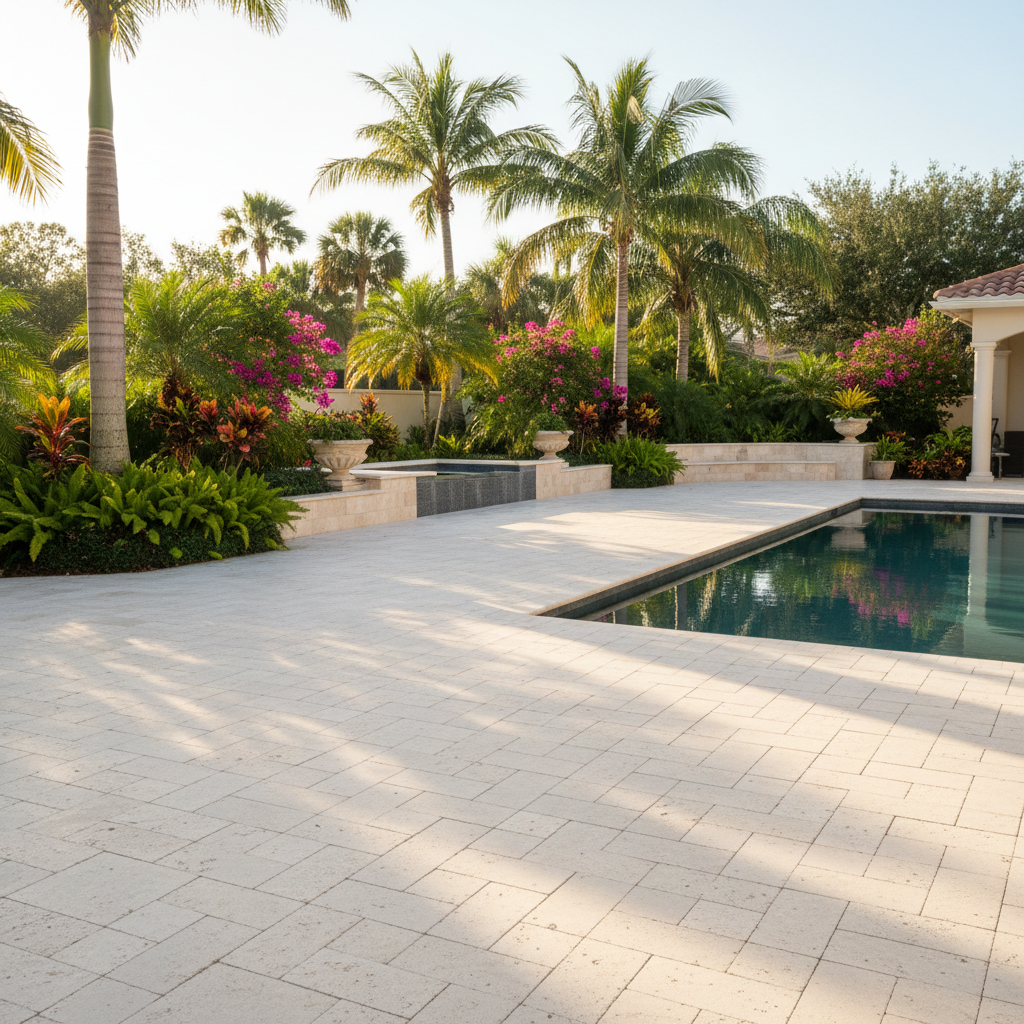
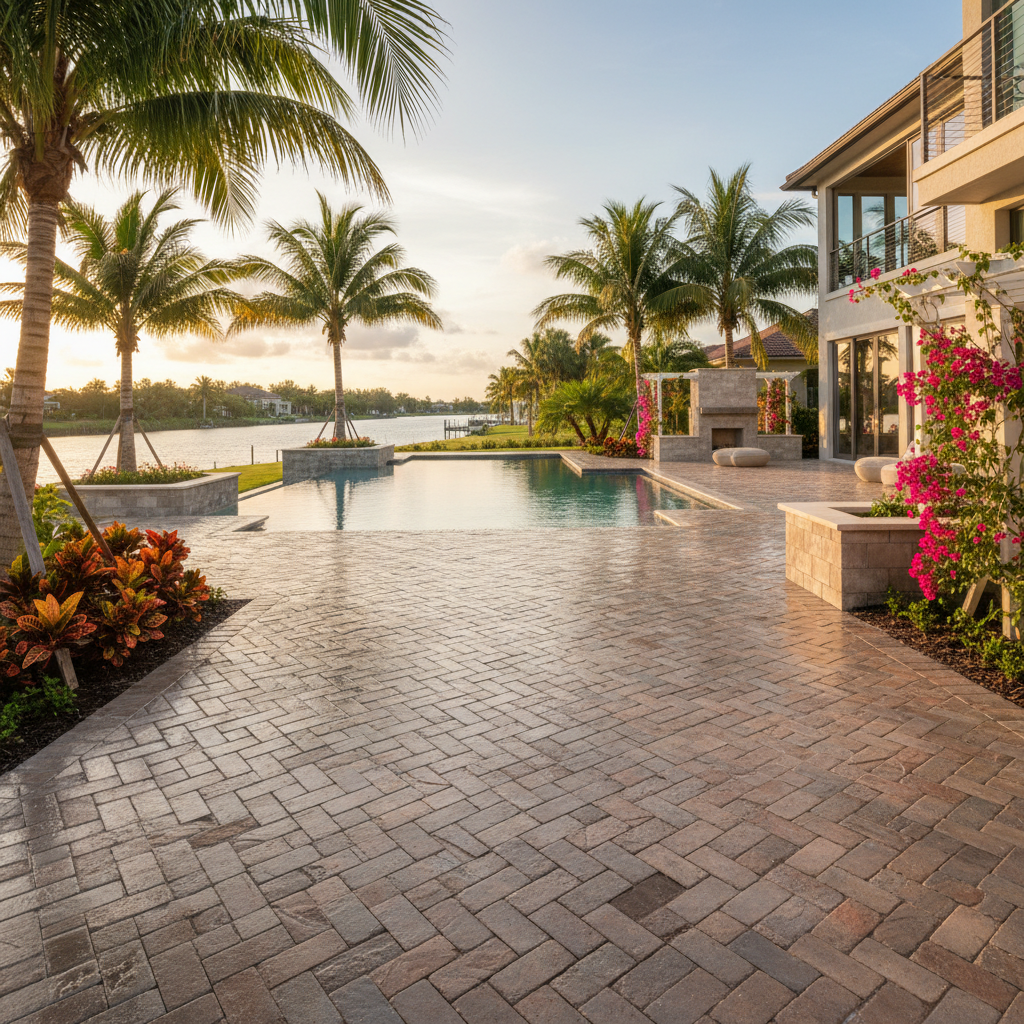
Explore our gallery of transformations to witness the standard we uphold. From intricate driveway pavers in Cape Coral to expansive patios, our work is our testament.
Frequently Asked