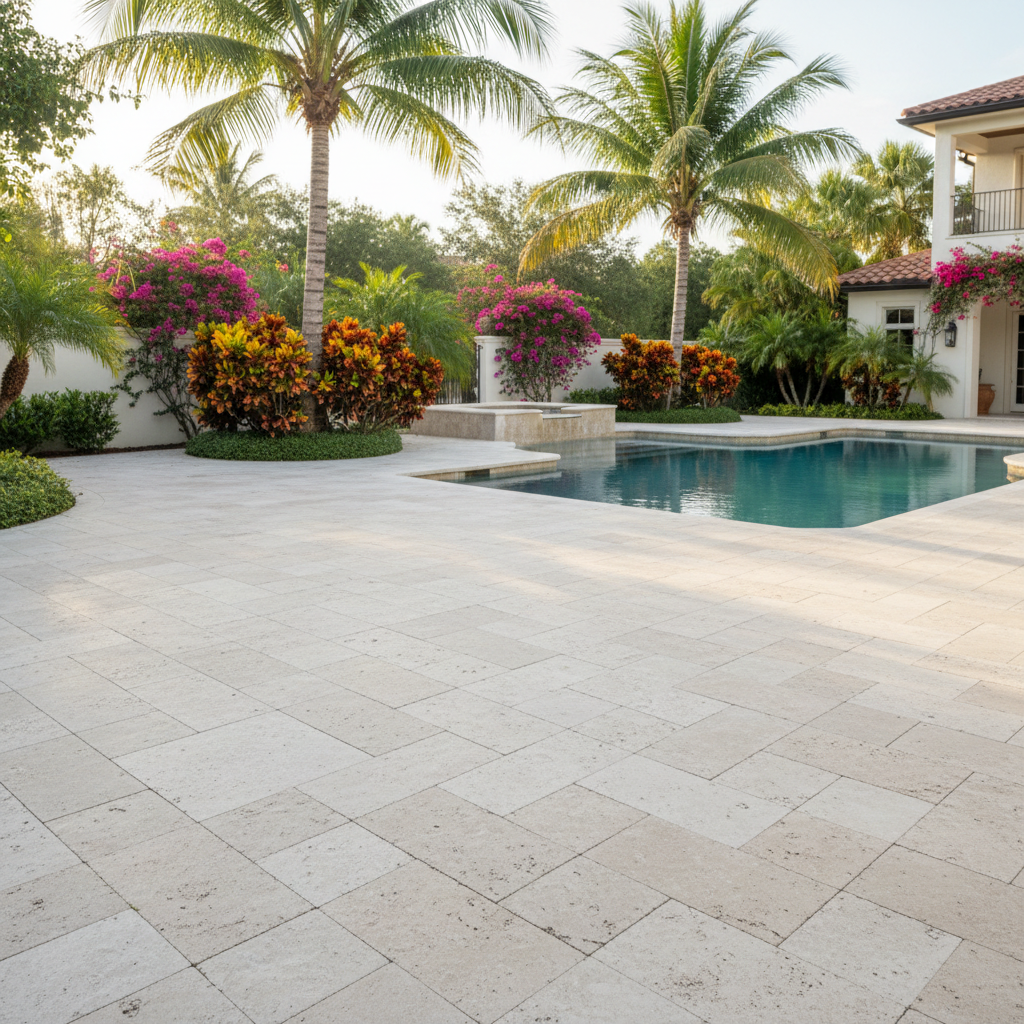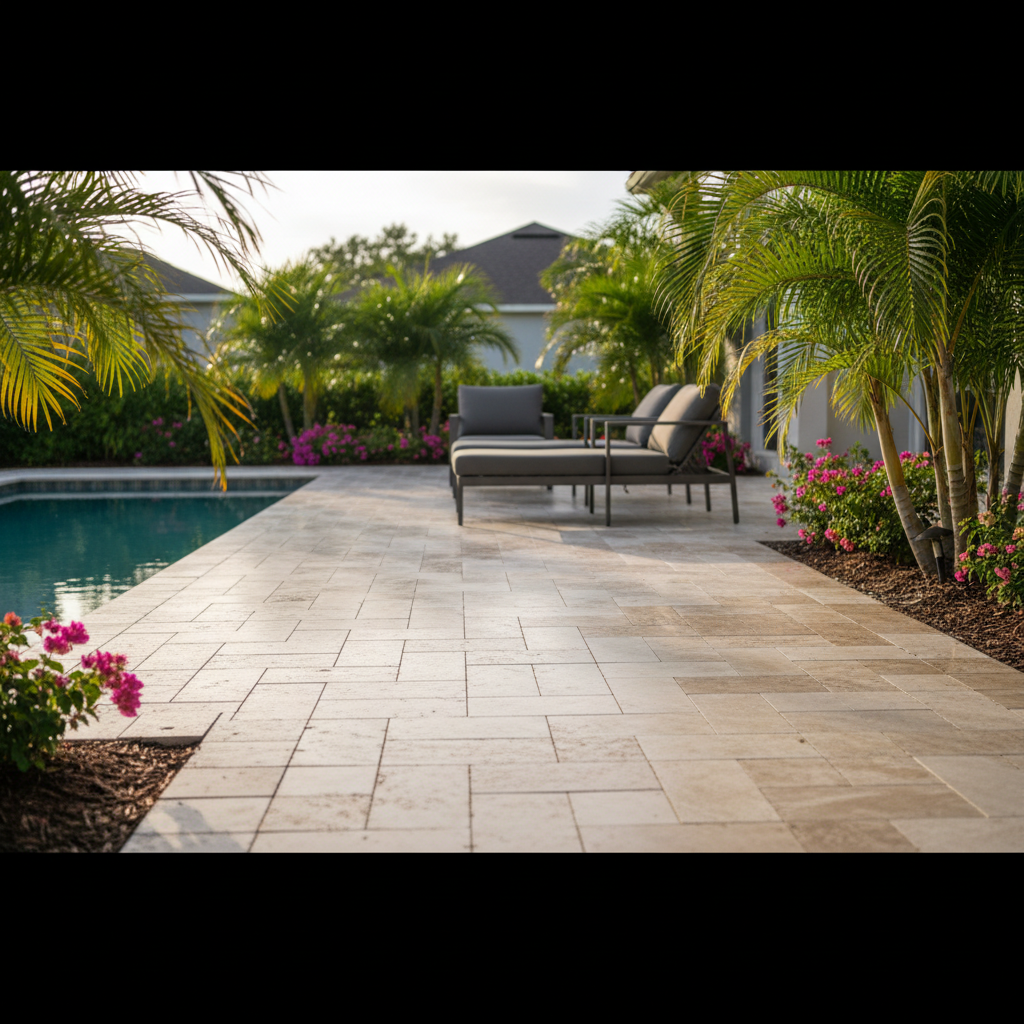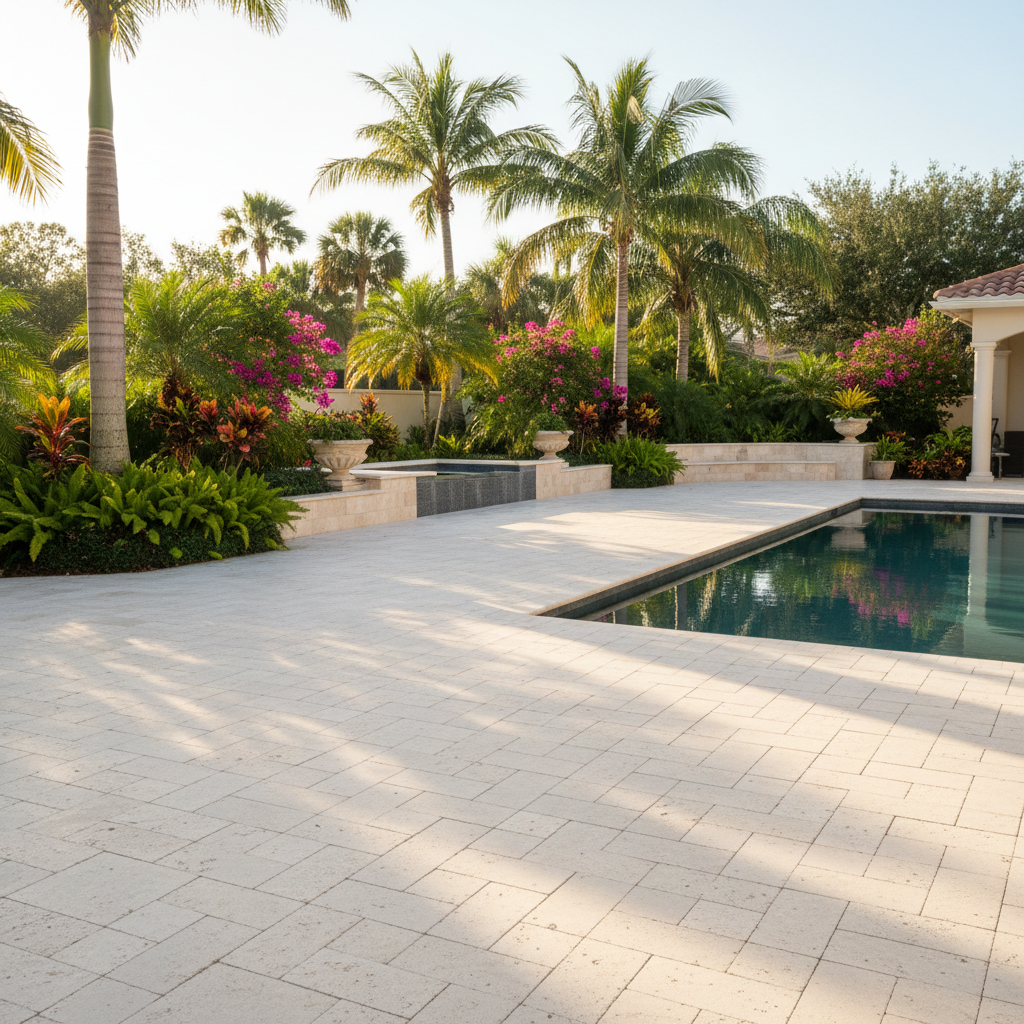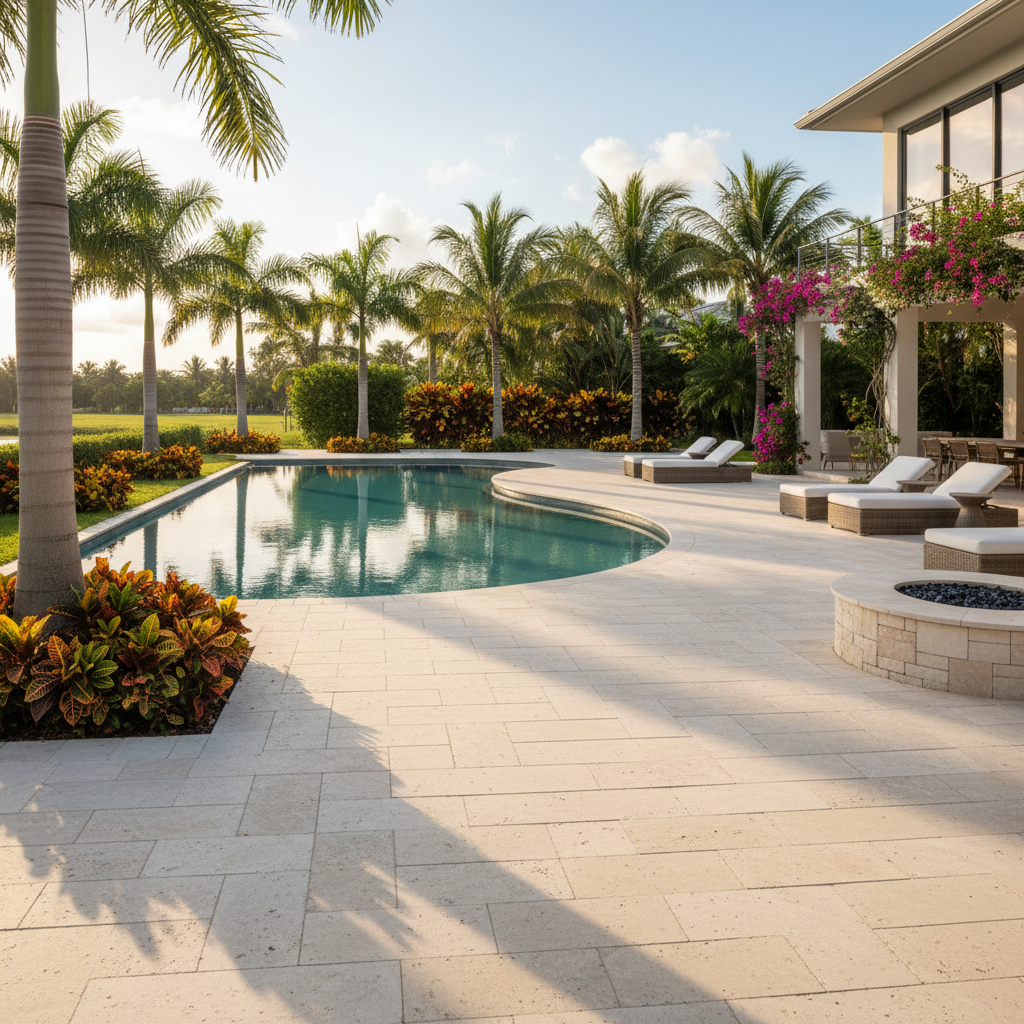
The Discerning Owner’s Guide to Paver Sealing Schedules
Determining the ideal frequency for paver sealing is less about adhering to a rigid calendar and more about a strategic assessment of your property's unique conditions. While a general recommendation for professionally sealed pavers in Southwest Florida is every two to three years, this interval is merely a starting point. For a discerning property owner in Marco Island, a more nuanced understanding is required to ensure the enduring beauty and structural integrity of your driveways, patios, and pool decks.
The application of a premium sealant is a crucial investment in your home’s aesthetic and resilience. It is not a one-time treatment but a vital component of a comprehensive maintenance strategy. The sealant acts as a transparent shield, preserving the rich color of your pavers, repelling stains, and fortifying the surface against degradation. Over time, this barrier naturally wears down, and recognizing the precise moment for reapplication is key to preventing irreversible damage.
Key Factors Influencing Sealing Frequency
Several variables, unique to your property and its micro-environment, will accelerate or decelerate the lifespan of your paver sealant. A sophisticated approach involves evaluating these factors collectively.
1. Solar Exposure (UV Radiation)
The intensity of the Florida sun is relentless. Surfaces with southern exposure or those unshaded by architecture or landscaping receive a significantly higher dose of ultraviolet radiation. This UV exposure is the primary culprit behind color fading, causing vibrant, rich tones to appear washed-out and dull. A high-quality sealant contains UV inhibitors, but even the best will eventually yield to constant solar bombardment. A driveway with full sun exposure will demand more frequent sealing than a shaded walkway.
2. Precipitation and Humidity
Southwest Florida’s climate, characterized by heavy seasonal rains and pervasive humidity, creates an ideal breeding ground for organic growth. Mold, mildew, and algae can proliferate on and between unsealed or poorly sealed pavers, leading to unsightly black or green staining and potentially slick, hazardous surfaces. A properly sealed surface is non-porous, denying moisture the foothold it needs to foster this growth.
3. Proximity to Saltwater
The coastal environment of Marco Island introduces another formidable adversary: salt air. Airborne salinity is corrosive and can accelerate the erosion of the paver surface and the breakdown of the jointing sand between them. For waterfront properties or those within a short distance of the Gulf, this saline mist settles on hardscapes, gradually compromising their integrity. More frequent sealing is a non-negotiable aspect of maintenance in these specific locations.
4. Level and Type of Traffic
The function of your paver installation directly impacts the wear and tear on the sealant. A residential driveway, bearing the weight and friction of multiple vehicles daily, will experience abrasion that a seldom-used garden path will not. The constant turning of tires, fluid leaks, and chemical residues from tire dressings all contribute to the degradation of the protective layer. High-traffic areas, including primary walkways and pool decks, will invariably require a more rigorous sealing schedule.
5. Quality of Previous Sealer and Application
The performance and longevity of your current sealant are entirely dependent on the quality of the product used and the precision of the application. Inferior, water-based sealants available at big-box stores offer minimal protection and can fail in under a year, often turning cloudy or peeling. Professional-grade, solvent-based sealants, like those used by Paver Protect Pro, are engineered to penetrate the paver and form a more durable, lasting bond. A flawless initial application, free of over-application or "flashing," sets the stage for optimal long-term performance.
Why This Matters in Marco Island
In Marco Island, these factors are not just theoretical; they are an ever-present reality. The local environment is a unique crucible of intense sun, high humidity, and corrosive salt air that places extreme demands on all exterior surfaces. Properties here represent a significant investment, and the exterior hardscapes—from the grand circular driveway to the expansive lanai—are fundamental to their commanding presence and market value.
Letting a sealant fail in this environment means exposing your pavers to rapid, aggressive degradation. The sun will bleach the color from a new installation in a surprisingly short time. The humidity will foster mold growth that can permanently stain the stone. Most critically, the salt air will slowly eat away at the surface, leading to pitting and spalling that cannot be reversed with a simple cleaning. Furthermore, compromised joint sand can lead to paver shifting and an uneven, unstable surface.
For these reasons, a proactive, observant approach to paver sealing in Marco Island FL is not an extravagance; it is a fundamental requirement of property ownership. It is the difference between maintaining a pristine, valuable asset and presiding over its slow decline. A professionally executed sealing plan is your primary defense against the specific, potent forces of the local climate.
Observable Signs That Re-Sealing is Required
Rather than relying on a calendar, train your eye to recognize the subtle cues that your pavers are ready for a new coat of sealant.
- Faded Appearance: The most obvious sign. If the colors appear dull, muted, or "chalky," especially when dry, the UV-blocking properties of the sealant have been exhausted.
- Water Absorption: Conduct a simple splash test. Drip some water onto the surface. If it beads up like on a waxed car, the sealant is still effective. If the water darkens the paver and soaks in within a minute or two, the surface is porous and vulnerable.
- Visible Stains: The emergence of new stains from oil, fertilizers, or organic growth indicates the sealant is no longer repelling foreign substances.
- Weed or Moss Growth: If you notice weeds, moss, or ant hills appearing in the joints between pavers, the joint sand is no longer stabilized by the sealant and is beginning to fail.
Observing any one of these signs suggests it is time to consult with a professional. At Paver Protect Pro, we can help you assess the condition of your surfaces and determine the precise strategy for restoration and protection. Explore our before-and-after gallery to witness the transformative power of a professional sealing application.
Protecting your investment is a matter of diligence and expertise. By understanding the forces at play in Marco Island and recognizing the signs of a diminishing seal, you can maintain the impeccable aesthetic and structural soundness of your property for years to come. When it is time to act, entrust the task to specialists who understand the unique demands of the Southwest Florida environment. Get a free AI photo estimate in under a minute to begin the process.
Frequently Asked