The Subtle Erosion of Luxury
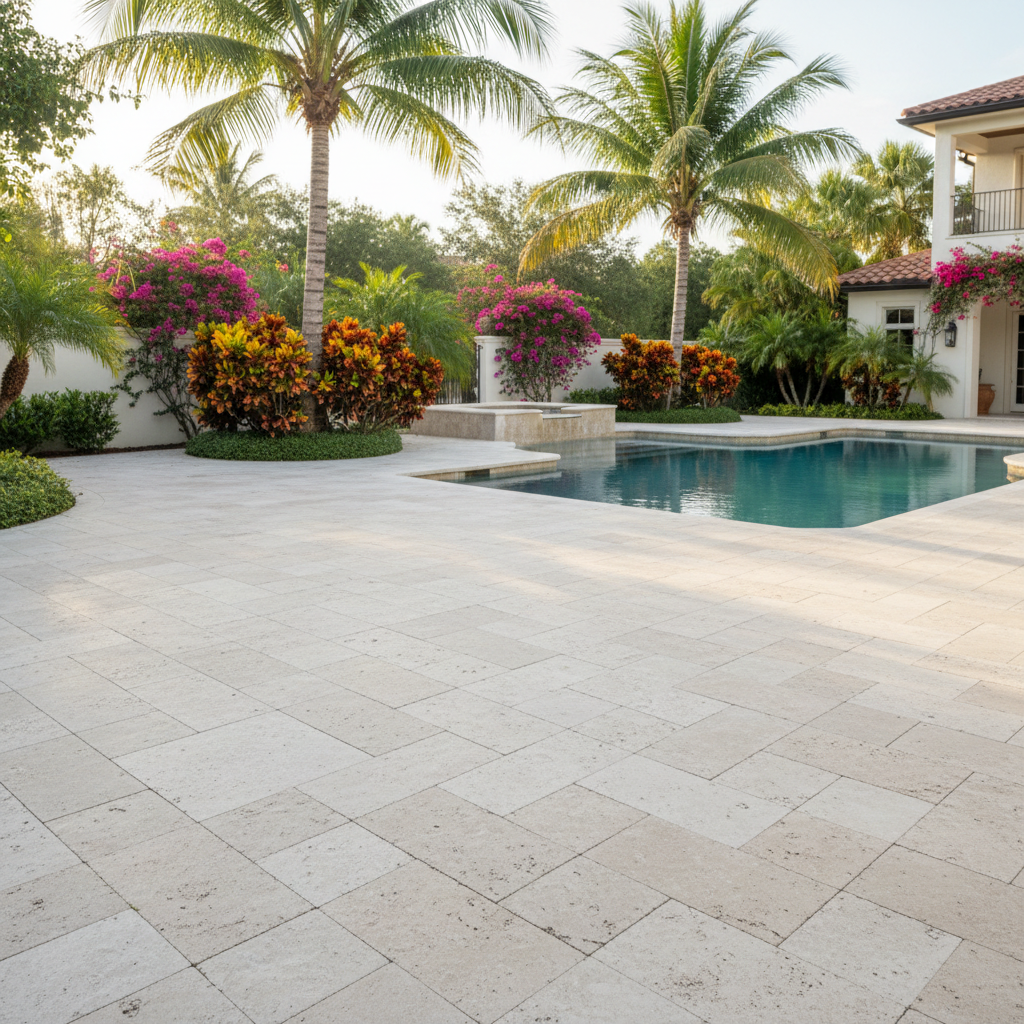
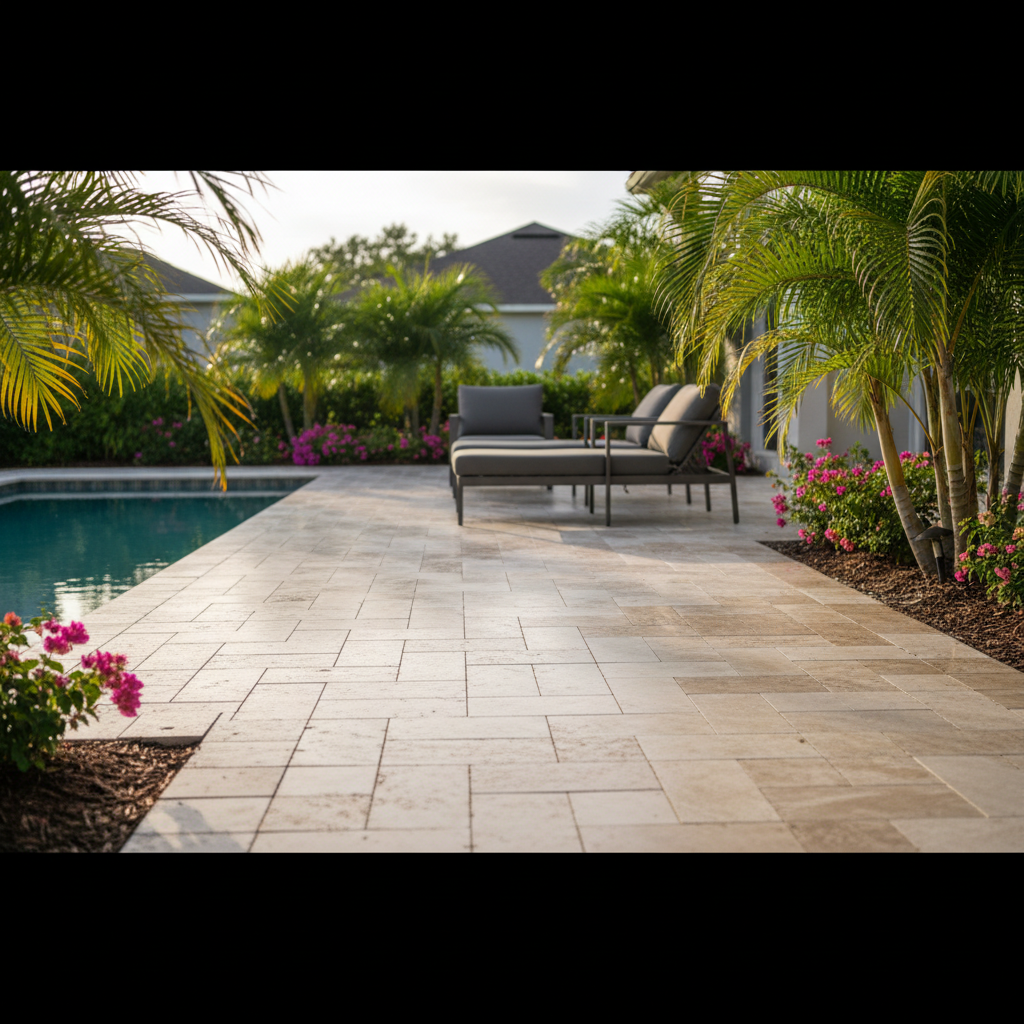
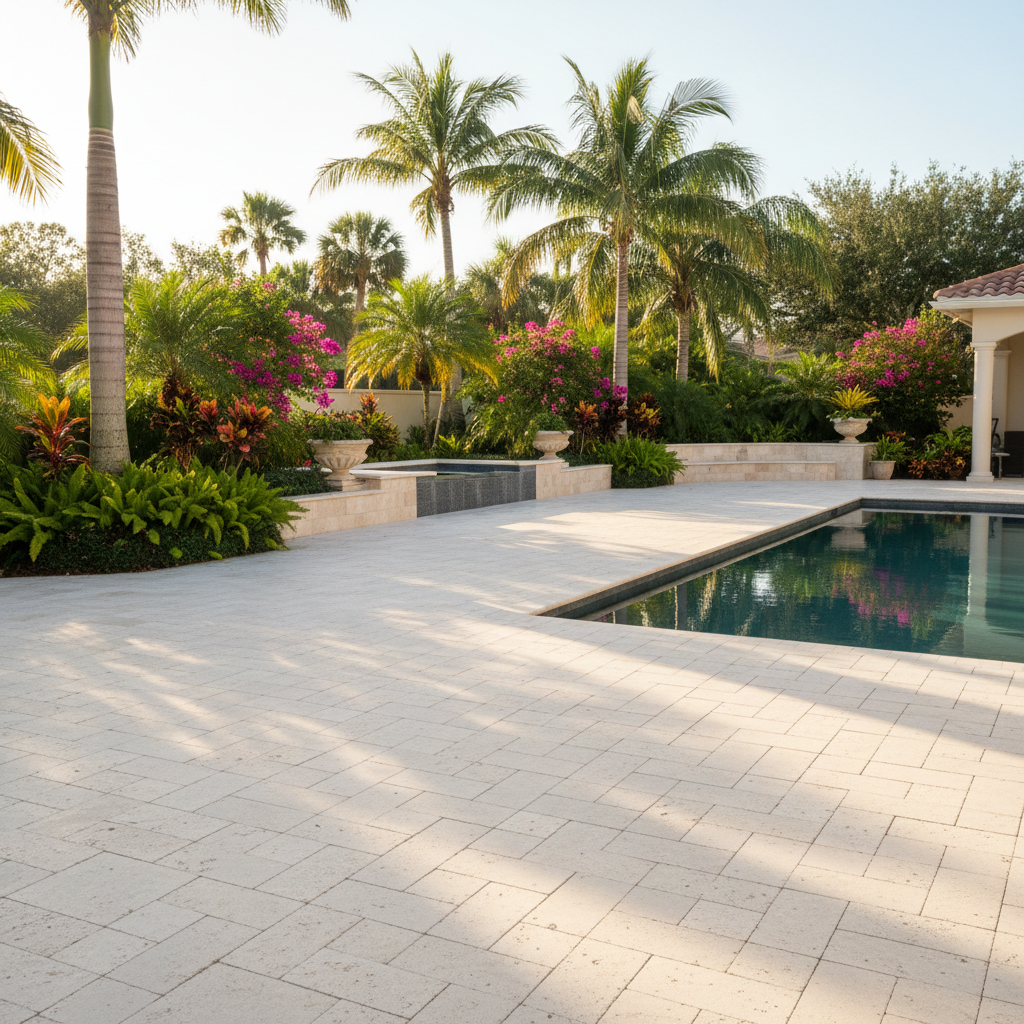
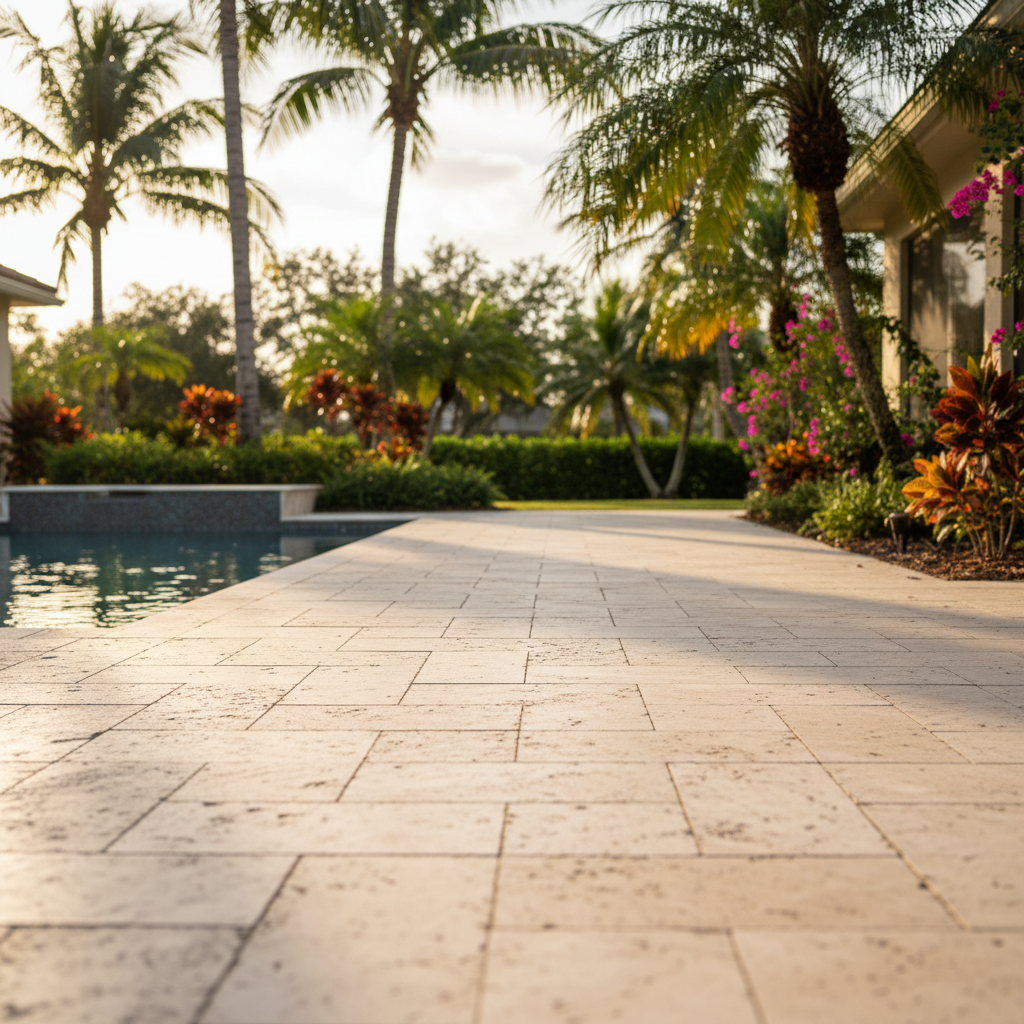
Travertine is the material of choice for discerning homeowners in Fort Myers, selected for its timeless elegance and connection to classical architecture. Its porous, fibrous texture tells a geological story, lending a unique character to pool decks, patios, and walkways. Yet, this same porosity makes it susceptible to the specific environmental pressures of Southwest Florida. Without proper protection, its refined surface can degrade in ways that are subtle at first, then distressingly apparent.
Discerning the initial signs of wear from the natural, evolving beauty of stone requires a practiced eye. The shift from a lustrous, premium finish to a surface that appears neglected is a gradual one. Understanding these indicators is the first step in preserving not just the material itself, but the significant investment it represents in your property's value and aesthetic appeal.
1. Loss of Color and Sheen
One of the most immediate signs of distress is the fading of your travertine's rich, natural color. The very hues that drew you to the stone—the creams, beiges, and subtle tans—begin to appear washed out and muted. This is a direct result of photodegradation from Southwest Florida's intense ultraviolet rays. The sun relentlessly bleaches the stone's surface, leaving it looking dull and lifeless. What once had a subtle, organic luster now appears flat and chalky to the touch. This loss of sheen is a clear signal that the original factory finish or previous sealant has completely worn away, leaving the stone's pores exposed.
2. Water Absorption and Darkening
Observe your travertine during and after a rain shower. Properly sealed pavers will cause water to bead up on the surface, much like a freshly waxed automobile. If, however, the stone darkens significantly and appears to soak up the water like a sponge, its defenses are compromised. This is a critical test. Saturated travertine not only becomes a slip hazard but also creates the perfect breeding ground for mold and mildew deep within the stone's pores, leading to more significant problems down the line. This water absorption is a primary indicator that an application of a high-quality, penetrating sealer is immediately necessary.
3. The Appearance of Efflorescence
Have you noticed a white, powdery residue on the surface of your pavers? This is efflorescence—the migration of natural salts and minerals from within the stone to the surface as moisture evaporates. While a common occurrence in porous materials, it is a definitive sign that water is penetrating and passing through the travertine. It indicates that your pavers are not sealed and are actively absorbing groundwater. While it can be cleaned, it will continue to return until the underlying moisture issue is addressed with a professional-grade sealant.
4. Stains from Organic and Chemical Spills
A properly sealed travertine surface resists penetration from most common substances. If you find that dropped leaves, fallen blossoms from hibiscus or bougainvillea, or spilled drinks are leaving behind stubborn stains, your travertine is unprotected. Oil, grease from an outdoor grill, or rust from metal furniture can also create deep, unsightly blemishes that are nearly impossible to remove from unsealed stone. These stains are not just surface-level; they seep into the porous structure, becoming a permanent part of the paver. An effective sealing process, like the one we employ for Fort Myers patio restoration, creates an invisible barrier against these occurrences.
Why this matters in Fort Myers
The climate in Fort Myers presents a unique crucible for exterior surfaces. The combination of intense, year-round sun, high humidity, and salty air from the Gulf creates an aggressive environment for natural stone. Unlike drier, more temperate climates, the moisture here is ever-present. This constant humidity means that travertine rarely has a chance to fully dry out, accelerating the growth of mold and algae. The salt content in the air, particularly in coastal communities and waterfront properties along the Caloosahatchee River, can hasten the erosion of the stone's delicate surface.
Furthermore, our region's heavy seasonal rainfall can saturate the ground, forcing moisture and dissolved minerals up through the porous travertine, leading to persistent efflorescence and structural weakening. Protecting your investment requires a strategy tailored to these specific local challenges. It's not just about aesthetics; it's about asset preservation in the face of relentless environmental assault. Timely intervention can prevent the need for more costly restoration or even replacement.
5. Mold, Mildew, and Algae Growth
Look closely at the joints and textured surfaces of your pavers. Do you see hints of green or black? This is organic growth. In Fort Myers' humid climate, mold, mildew, and algae thrive on porous, damp surfaces. Not only is this growth unsightly, creating a slippery and dangerous film, but it also actively damages the stone. These organisms penetrate the travertine, feeding on the minerals and widening the pores, which exacerbates the moisture problem. A thorough, professional Fort Myers paver cleaning followed by a quality sealant is the only way to effectively neutralize this issue.
6. Etching and Pitting
Acidic substances can literally eat away at the surface of travertine, a calcium-based stone. This process, known as etching, creates dull spots and removes the stone's polish. In Southwest Florida, even "natural" contaminants like rainfall (which can be slightly acidic), bird droppings, and decaying plant matter can cause etching. Pitting, the formation of small holes, is another form of erosion that occurs as the stone’s delicate structure is compromised by water and contaminants. If you notice the texture of your pavers is becoming rougher and more pitted, it is a sign of advanced degradation that needs immediate attention.
7. Joint Sand Loss and Weed Growth
The sand in the joints between your travertine pavers is not just for show; it provides stability and locks the entire system together. When a sealant fails, rain and irrigation wash this sand away. This leads to paver shifting and an unstable surface. The empty joints then become the perfect place for weeds to take root, further disrupting the integrity of your hardscape and creating a maintenance nightmare. A proper sealing process includes stabilizing the joint sand, locking it in place to prevent washout and inhibit weed growth.
The Path to Restoration
Recognizing these seven signs is the crucial first step. The next is to engage a trusted partner to restore the stone to its original splendor. The process involves a deep, meticulous cleaning to remove all stains and organic growth, followed by the application of a superior-quality sealant that penetrates the stone, protects it from within, and restores its vibrant color and luster.
Your Fort Myers home is a testament to quality and refinement. Ensure its exterior surfaces reflect that same standard. Do not let elegant decay become the narrative of your travertine. Restore its integrity and beauty with a professional sealing process designed for the unique demands of the Southwest Florida environment. Explore our before/after gallery to witness the transformations we have orchestrated.
Frequently Asked