The Connoisseur's Guide to Travertine Sealing Frequency in Naples
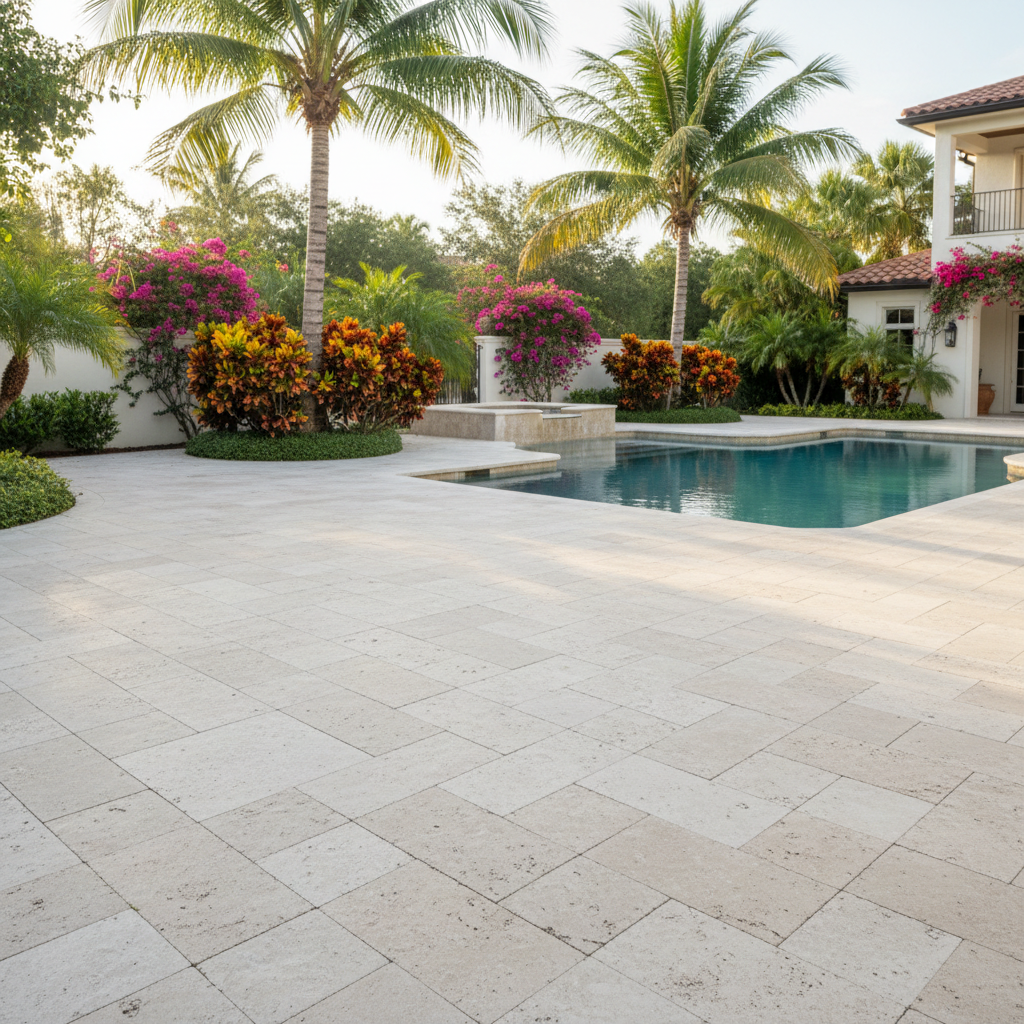
Travertine is more than a building material; it is a statement. In Naples, from the grand driveways of Port Royal to the serene pool decks of Mediterra, this natural stone graces the area's most exceptional residences. Its unique character—a blend of elemental history and refined elegance—is an investment in timeless beauty. Yet, like any fine material, it requires precise and knowledgeable care.
The most common question we encounter from discerning homeowners is not if they should seal their travertine, but how often. The answer is not a simple number, but a tailored recommendation based on a property’s specific environment and use. It involves understanding the stone, the climate, and the subtle signs of wear that signal a need for action.
The 3-to-5 Year Rule—And When to Refine It
For a baseline, professional-grade travertine sealing should be considered every three to five years. This interval is the generally accepted standard for maintaining the stone’s integrity and appearance under typical conditions. However, in Southwest Florida, "typical conditions" are anything but.
Think of a sealer not as a permanent coat of armor, but as a high-performance protective layer that sacrifices itself for the stone beneath. It is designed to wear away, absorbing the impacts of sun, rain, and traffic. The rate at which it degrades determines the true sealing schedule your property demands.
Several factors can accelerate this degradation:
- UV Radiation Exposure: Uninterrupted sun exposure, especially on southern or western-facing surfaces, is the primary adversary of any sealant. The intense Florida sun breaks down the chemical bonds of the sealer, diminishing its protective capabilities.
- Level of Traffic: A private courtyard that sees only occasional foot traffic has different needs than a driveway or a primary walkway. The abrasion from tires and frequent use wears down the sealant more rapidly.
- Moisture and Rain: Our tropical climate means frequent, heavy rainfall. A properly sealed surface will cause water to bead and roll off. An unsealed or poorly sealed surface will absorb it like a sponge, creating an ideal environment for mold and mildew.
- Proximity to Saltwater: For properties along the Gulf or Intracoastal Waterway, salt air is a pervasive, corrosive force that relentlessly attacks natural stone surfaces.
Observing these variables is the first step toward creating a truly bespoke maintenance plan for your travertine.
Why This Matters in Naples
The unique environmental pressures of Naples necessitate a more vigilant approach to travertine care. Our specific climate—a sublime but demanding combination of intense sunlight, high humidity, and salt-laden air—creates a perfect storm for natural stone degradation.
Consider the relentless summer sun beating down on a lanai in Grey Oaks. The surface temperature of the stone can soar, accelerating the breakdown of inferior sealants. During the rainy season, from June through September, surfaces are subjected to daily deluges. This constant moisture, combined with our ambient humidity, can turn porous, unsealed travertine into a breeding ground for unsightly and slippery black mold.
For homes in waterfront communities like Port Royal or along Gulf Shore Boulevard, the challenge is compounded by the corrosive effects of salt air. This aerosolized salt settles on surfaces and, when combined with morning dew or rain, creates a saline solution that slowly eats away at the calcium carbonate in the travertine. This process, known as spalling, can cause the stone to pit and crumble over time.
Properly timed Naples paver sealing is not merely an aesthetic choice; it’s a structural necessity to combat these specific, localized threats and preserve the value and safety of your property.
Visual Cues: When Your Travertine Is Asking for Attention
The stone itself will tell you when it’s time to reseal. A vigilant homeowner can look for these clear indicators:
-
The Water Test: The most reliable method. Sprinkle a few drops of water onto the surface. If the water beads up like on a freshly waxed car, the sealer is active. If it darkens the stone and soaks in within a few minutes, the protective barrier has been breached.
-
Color and Sheen: Has the rich color of your travertine begun to look faded, washed-out, or dull? A high-quality sealer enhances the stone’s natural colors and provides a subtle, elegant sheen. When that depth disappears, it’s a sign the sealer has worn away.
-
Stains and Blemishes: Travertine is porous. A failing sealer will allow oils, leaf tannins, and other contaminants to penetrate the stone, leaving behind difficult-to-remove stains.
-
Efflorescence and Mold: The appearance of a chalky white substance (efflorescence) or the first signs of green or black mold point to excessive moisture absorption, a direct result of failed sealant.
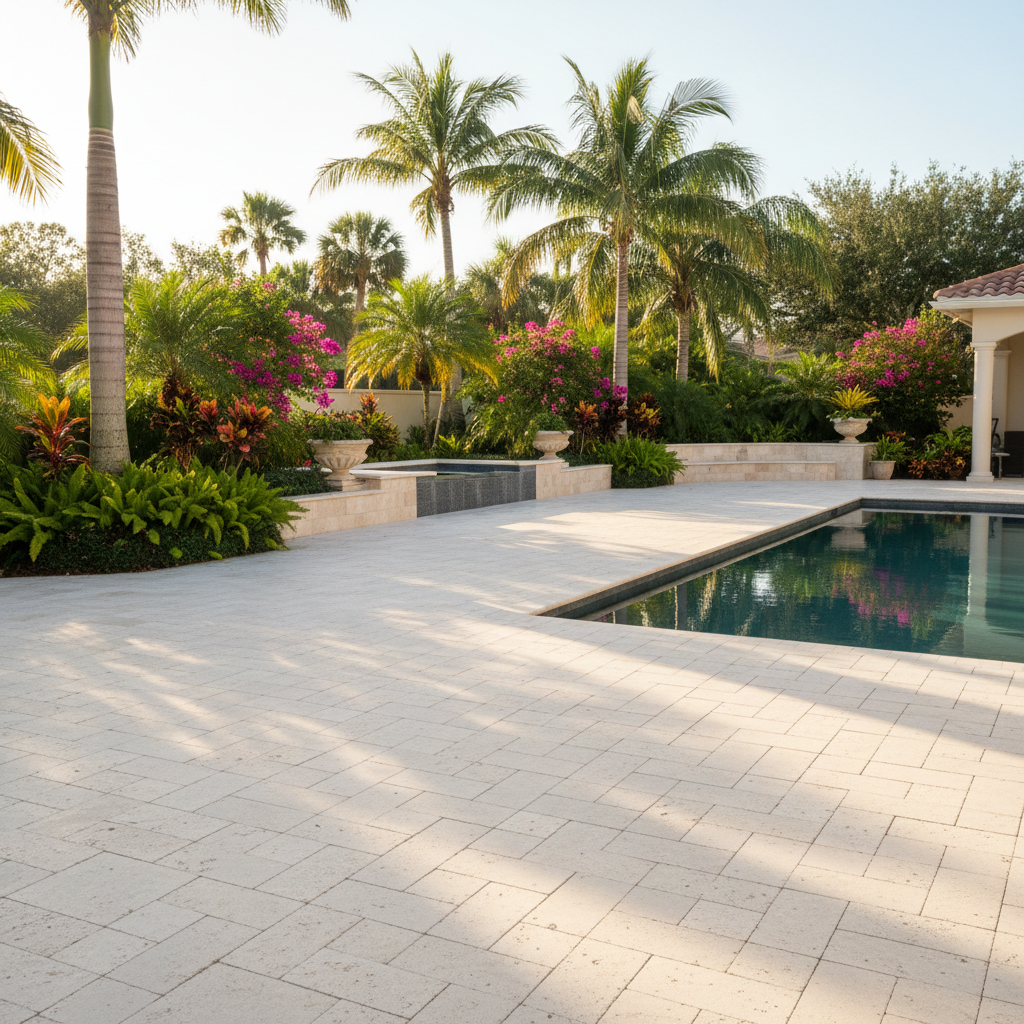
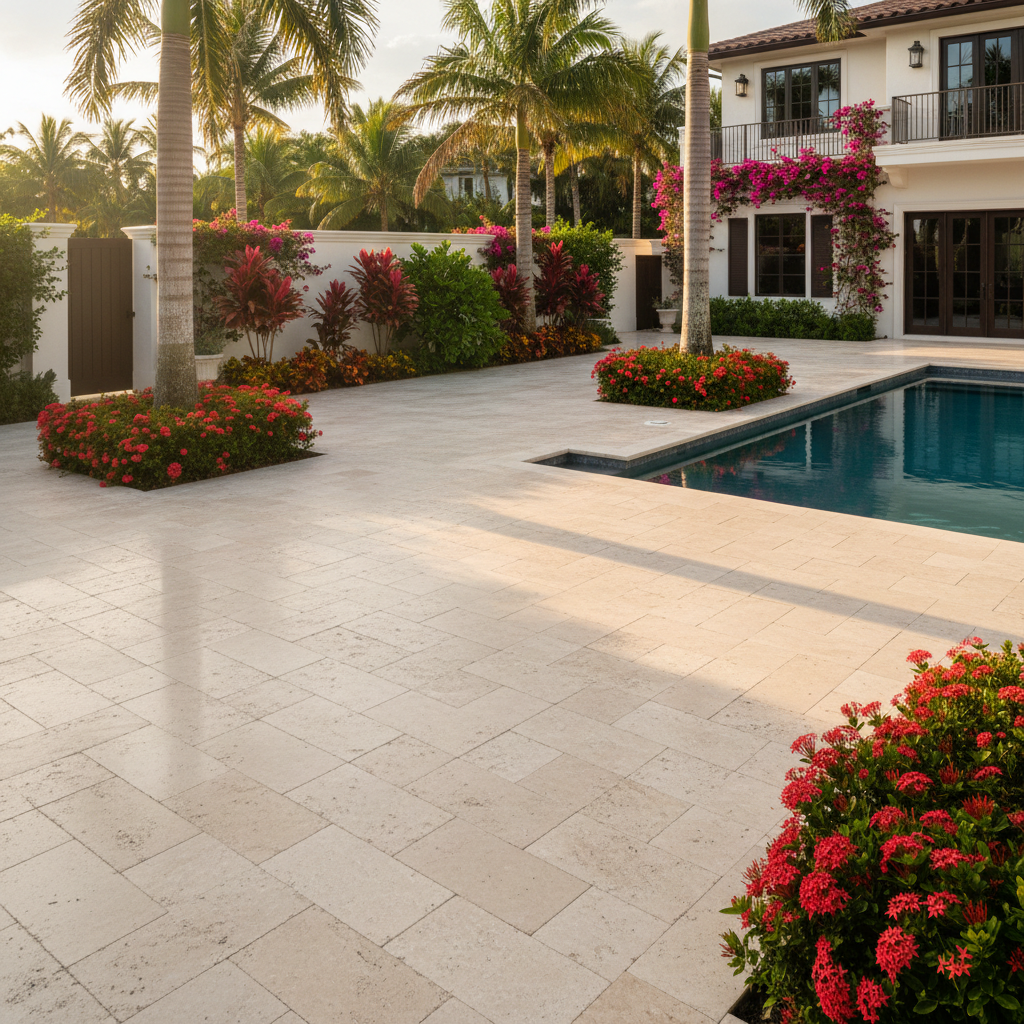
If you notice any of these signs, it is time to consult with a professional. Acting promptly can prevent minor issues from becoming major restoration projects. You can see examples of restored and protected surfaces in our online gallery.
The Professional Mandate: Beyond the Big-Box Solution
It can be tempting to view sealing as a straightforward weekend project. However, the difference between a DIY application and professional service is stark, particularly when it comes to longevity and finish.
The Paver Protect Pro process is meticulous.
- Preparation: We begin with a deep, comprehensive cleaning to remove all dirt, efflorescence, and existing, failing sealant. Applying new sealer over a compromised surface is a fatal flaw that traps moisture and guarantees failure.
- Sealant Selection: We use proprietary, commercial-grade sealants formulated specifically for the Southwest Florida climate. These products offer superior UV resistance and longevity compared to anything available off the shelf.
- Expert Application: Our technicians apply the sealer with precision, ensuring a consistent, even coat that enhances the stone’s natural beauty without creating a slippery, artificial-looking film.
This disciplined approach ensures a result that not only looks impeccable but also delivers years of steadfast protection. It transforms travertine maintenance from a recurring chore into a long-term investment.
To understand the condition of your travertine and receive a tailored recommendation, we invite you to begin with a free AI photo estimate. It is the first step toward ensuring the enduring beauty of your Naples residence.
Frequently Asked